
Rodent Control in Orange County, CA That Actually Stops the Problem
If you are hearing scratching in the attic, seeing droppings, or finding chewed wiring, the issue is already bigger than “set a trap and hope.” Rats and mice move fast in Orange County because food, landscaping, and shelter are everywhere. Southern California Exterminators removes rodents and closes the entry points so the problem does not keep coming back.
- ✓Rapid Identification: Rat vs Mouse + Where They are Traveling
- ✓Targeted Trapping and Removal (Not Random Bait Guessing)
- ✓Entry-Point Sealing and Exclusion for Long-Term Results
- ✓Clear Guidance for Sanitation, Storage, and Prevention
|
Orange County Homeowners • Rentals • Property Managers
|
Clear Communication • Respectful Crews • Practical Prevention
|
Rodent FAQ
Book Rodent Control in Orange County
Call us first. We’ll help confirm urgency, explain what to do immediately, and schedule the right service for rats or mice. If you are dealing with tenants or an HOA, we can help you coordinate access and documentation.
Orange County Rodent Control is Different for One Reason: Access to Food and Shelter
Rodents thrive in Orange County because conditions stay favorable most of the year. Landscaping and irrigation create moisture and cover, outdoor dining and trash routines provide consistent food, and attic spaces offer quiet nesting. The result is predictable: once rodents find a reliable route into a structure, they return until the route is removed.
That is why effective rodent control is not just removal. It is Removal Plus Exclusion. If you only remove the animals but leave gaps, roofline openings, garage edges, or utility penetrations open, the next rodents will replace the first. We focus on identifying the path, stopping activity, and closing the entry points.
Signs You Should Not Ignore
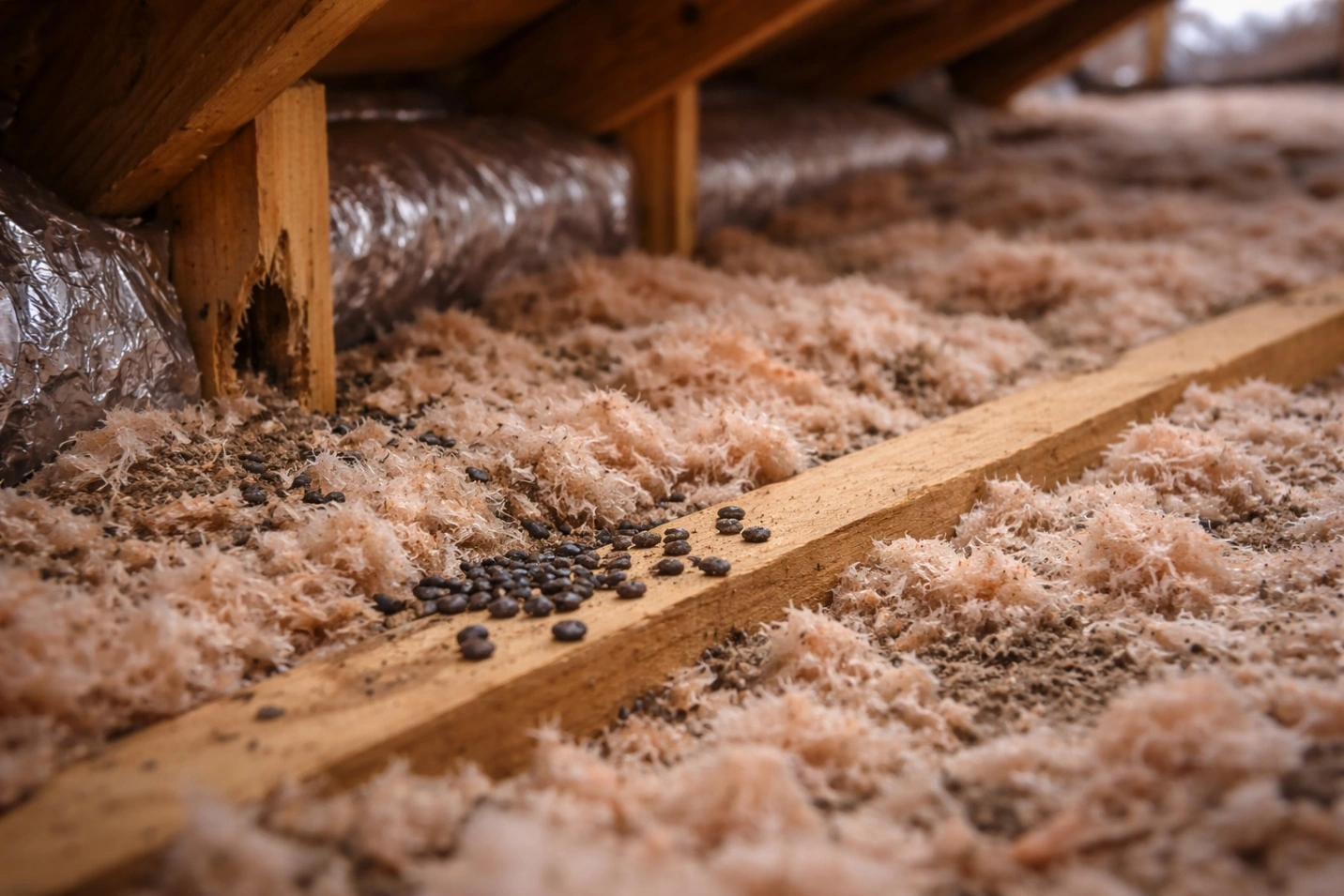
Rodent issues usually announce themselves in patterns. If you notice any of these, the safest move is to schedule service quickly so the colony does not expand and contaminate insulation or storage.
- ✓Scratching or Movement Sounds at Night (Attic, Walls, Crawl Areas)
- ✓Droppings in Garages, Pantries, Under Sinks, or Near Baseboards
- ✓Chewed Wiring, Ducting, Plastic Bins, or Food Packaging
- ✓Grease Marks Along Walls, Fences, or Rafters (Runways)
- ✓Pet Agitation Near a Specific Wall or Attic Access Point
Why Exclusion is the Difference Maker
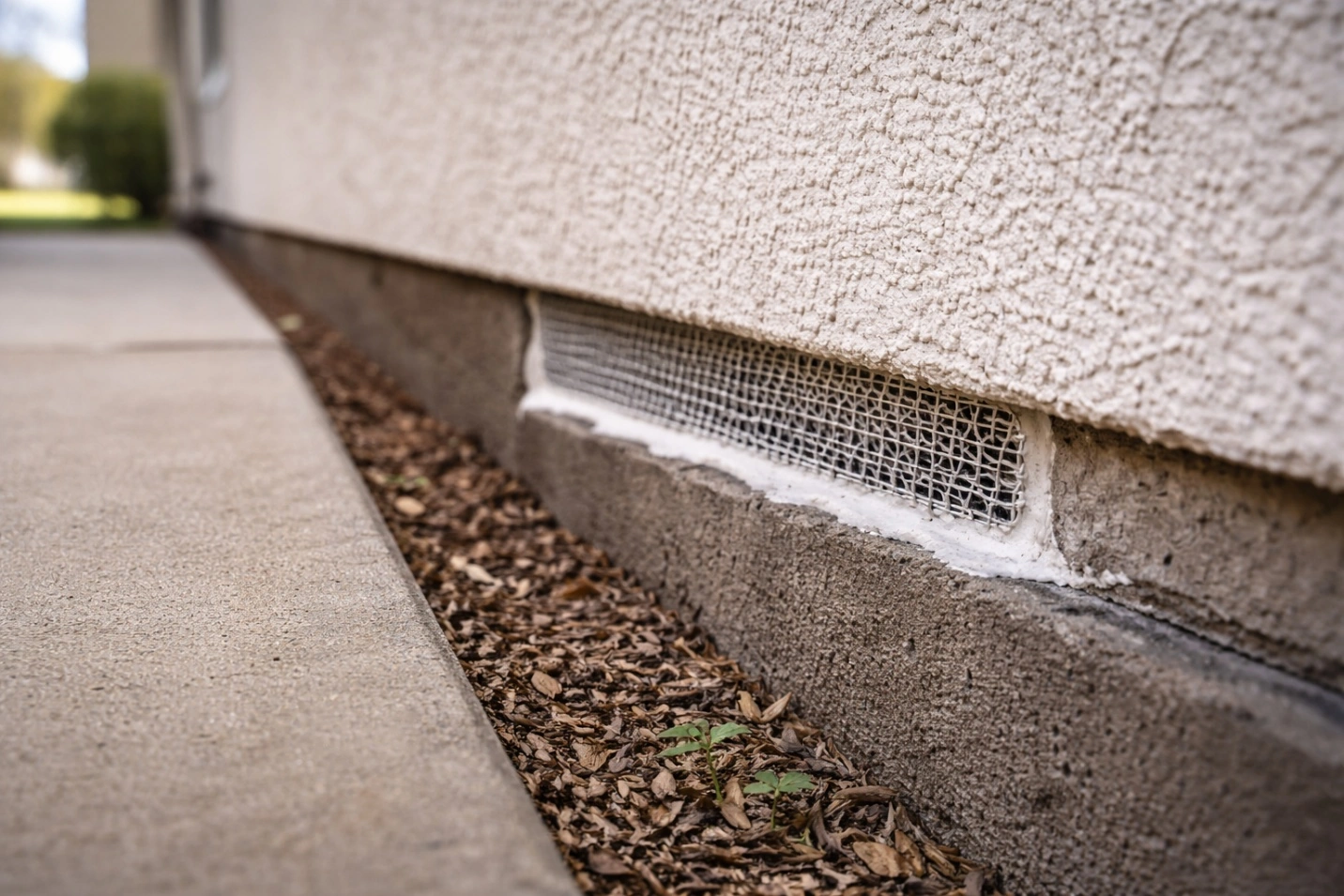
Trapping without sealing is like mopping with the faucet still running. Orange County neighborhoods offer constant rodent pressure from palm trees, fruit trees, dense shrub lines, alleyways, and adjacent commercial zones. If entry gaps remain, reinfestation is likely.
Our approach focuses on identifying likely entry points and travel routes, then recommending practical sealing steps that support long-term control. For many homes, the best results come from combining removal and exclusion into one plan.
Rodent Services for Orange County Homes, Rentals, and Multi-Unit Properties
Rodent control needs to match the structure and the reality of the property. A single-family home with attic access is different from a condo complex with shared walls and exterior pathways. We adjust service recommendations based on access, travel routes, and risk drivers so results are predictable.
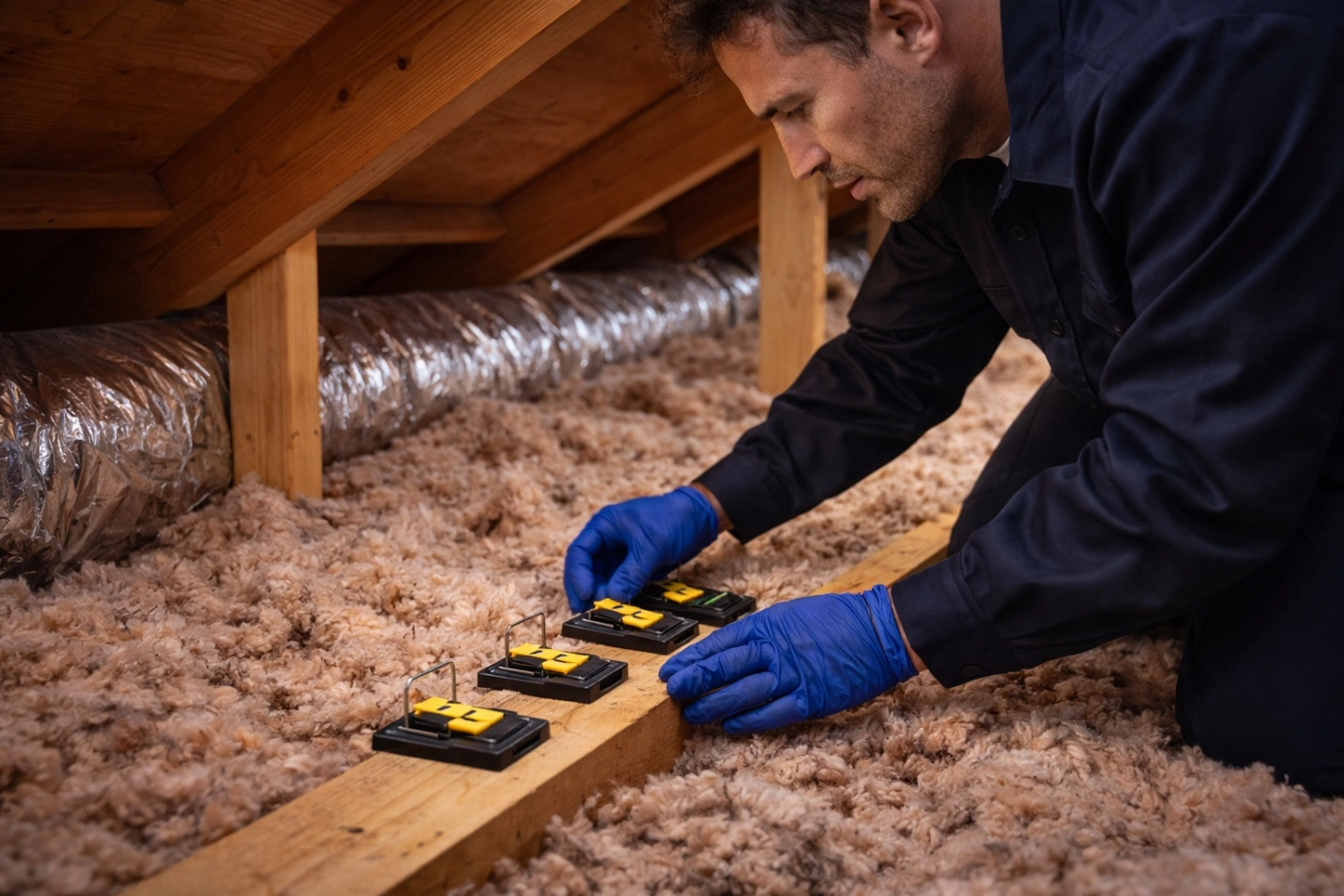
Rat Control
Identify travel routes, remove active pressure quickly, and reduce re-entry risk through targeted exclusion guidance.
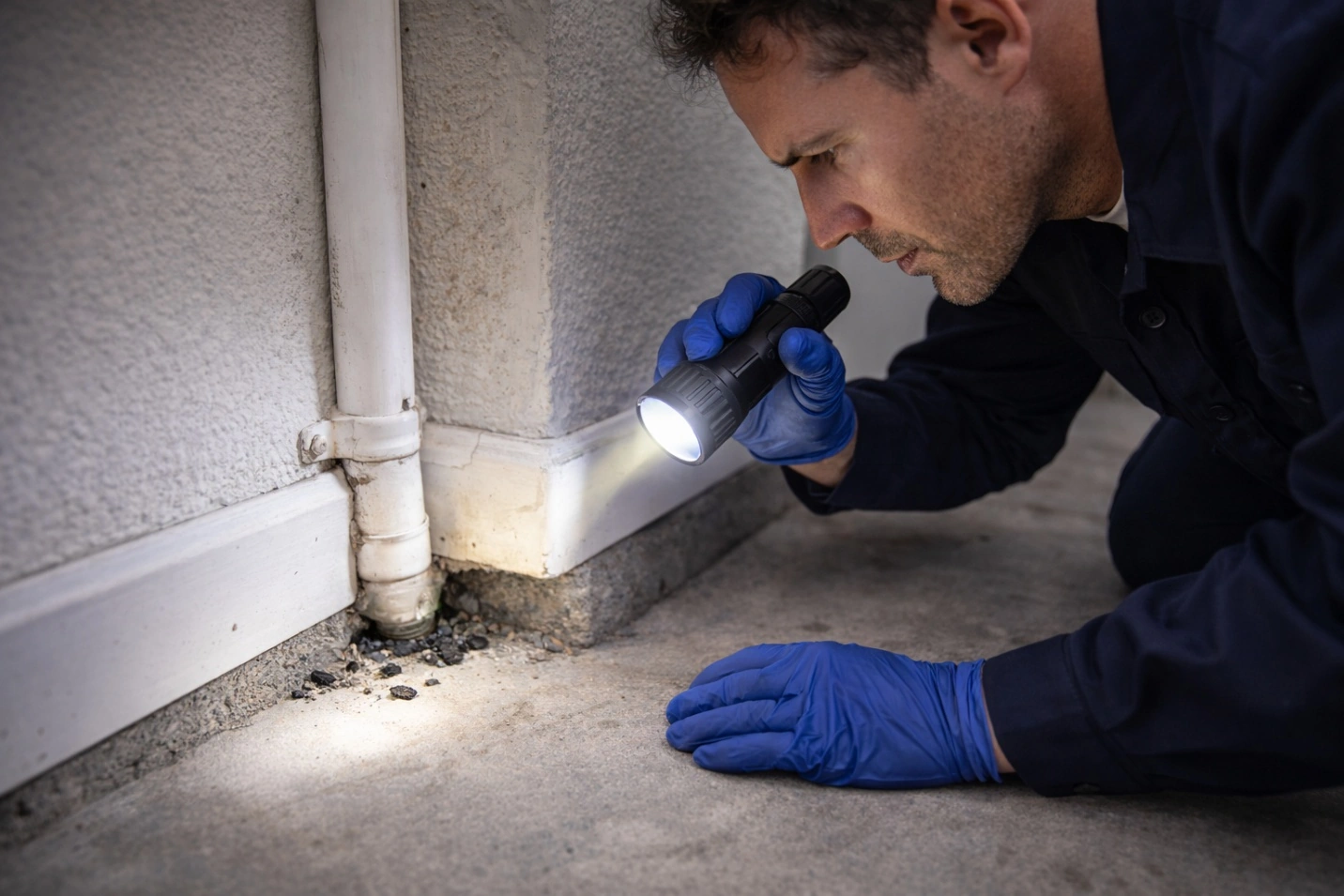
Mouse Control
Mice fit through extremely small gaps. We focus on identifying entry points, removing activity, and improving prevention routines.
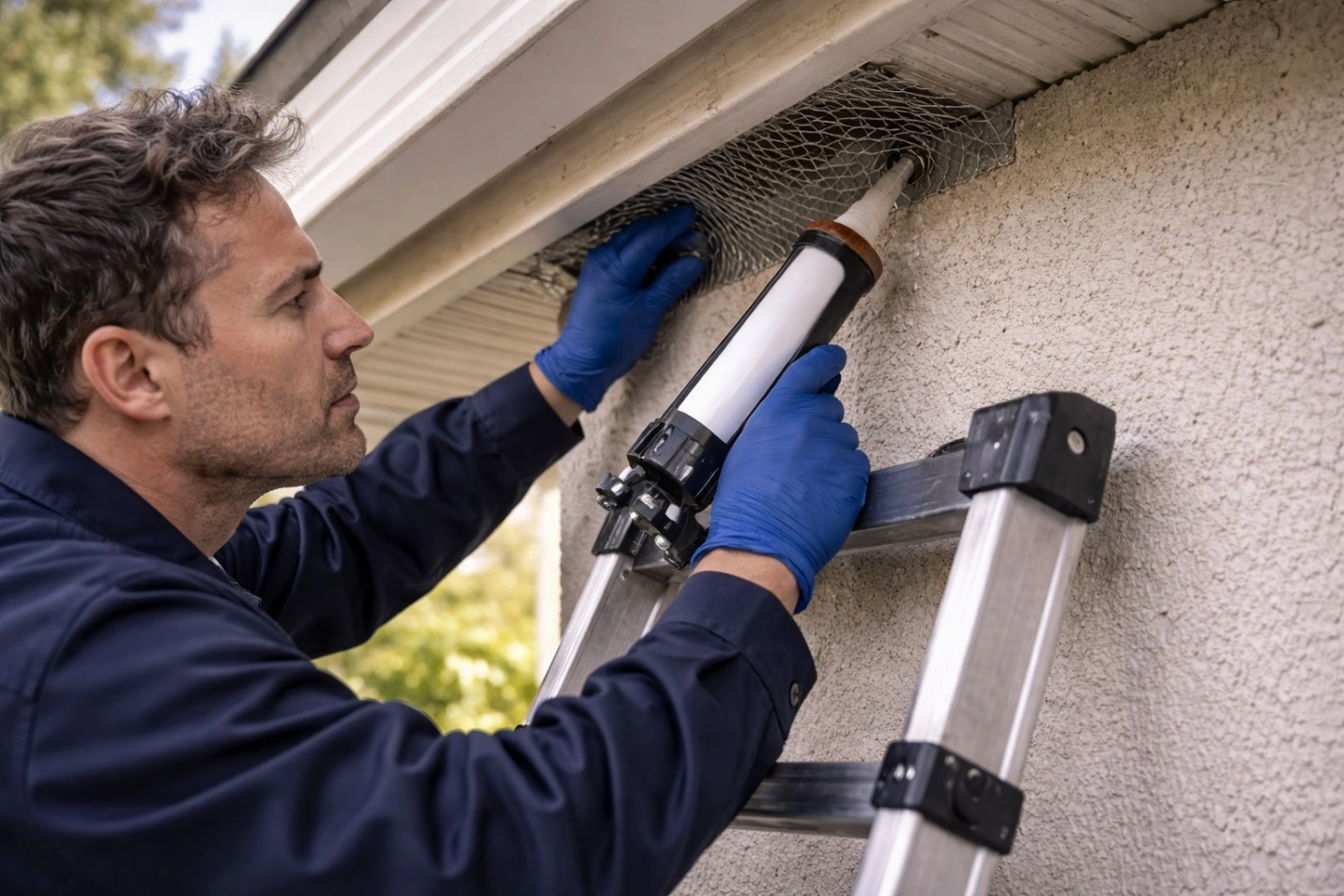
Exclusion and Entry-Point Sealing
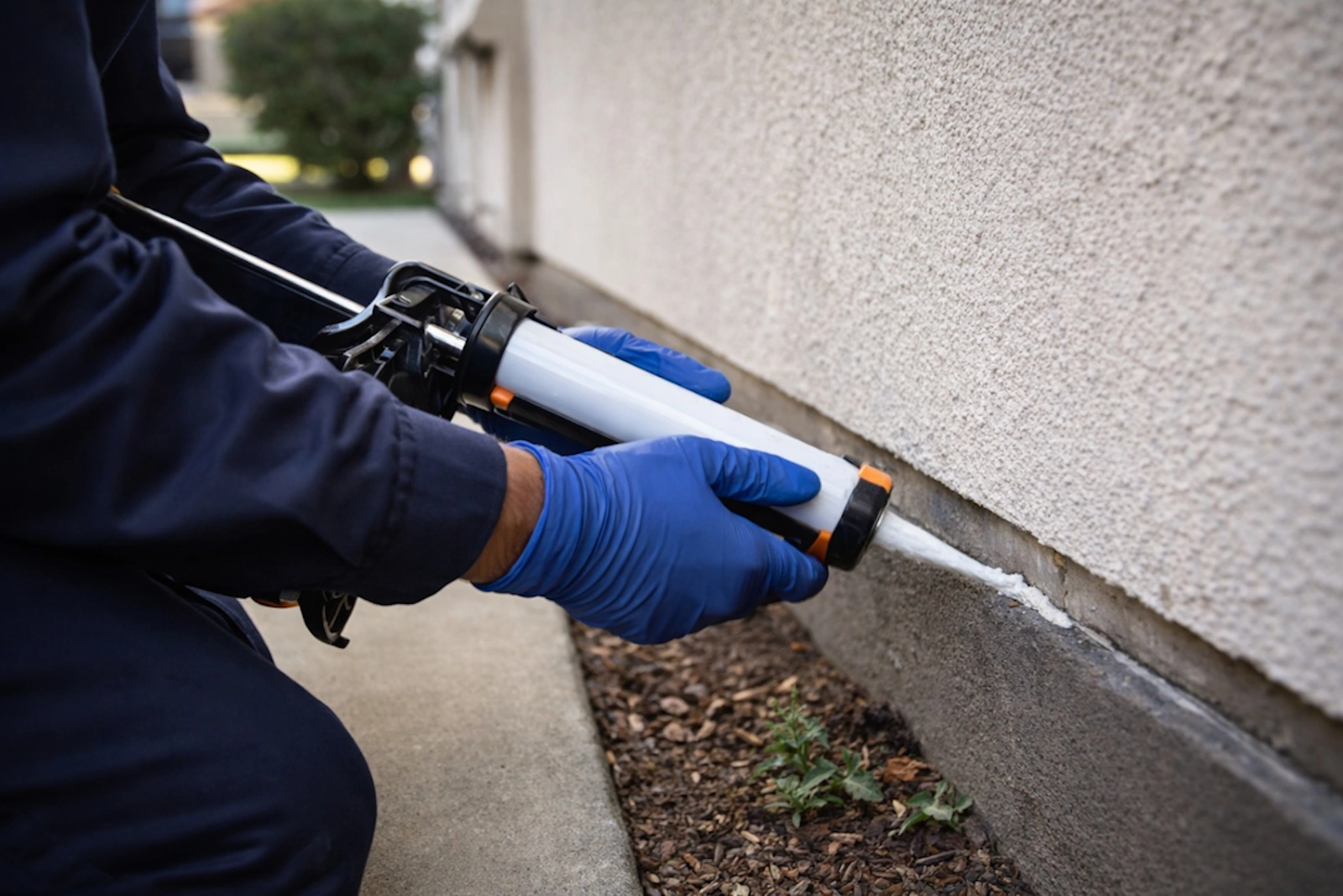
The long-term fix. We help you identify where rodents are getting in and what should be sealed to prevent reinfestation.
Related Services
If you are comparing pest issues across Orange County, these pages help: Orange County Pest Control, Ant Control Orange County, Termite Control Orange County.
What to Expect: Our Rodent Control Process
Our process is designed around what actually works: identify the rodent type, confirm where they are traveling, remove active pressure, and reduce re-entry risk with practical exclusion. We keep the plan clear so you know what is happening and why.
Identify + Map Travel Routes
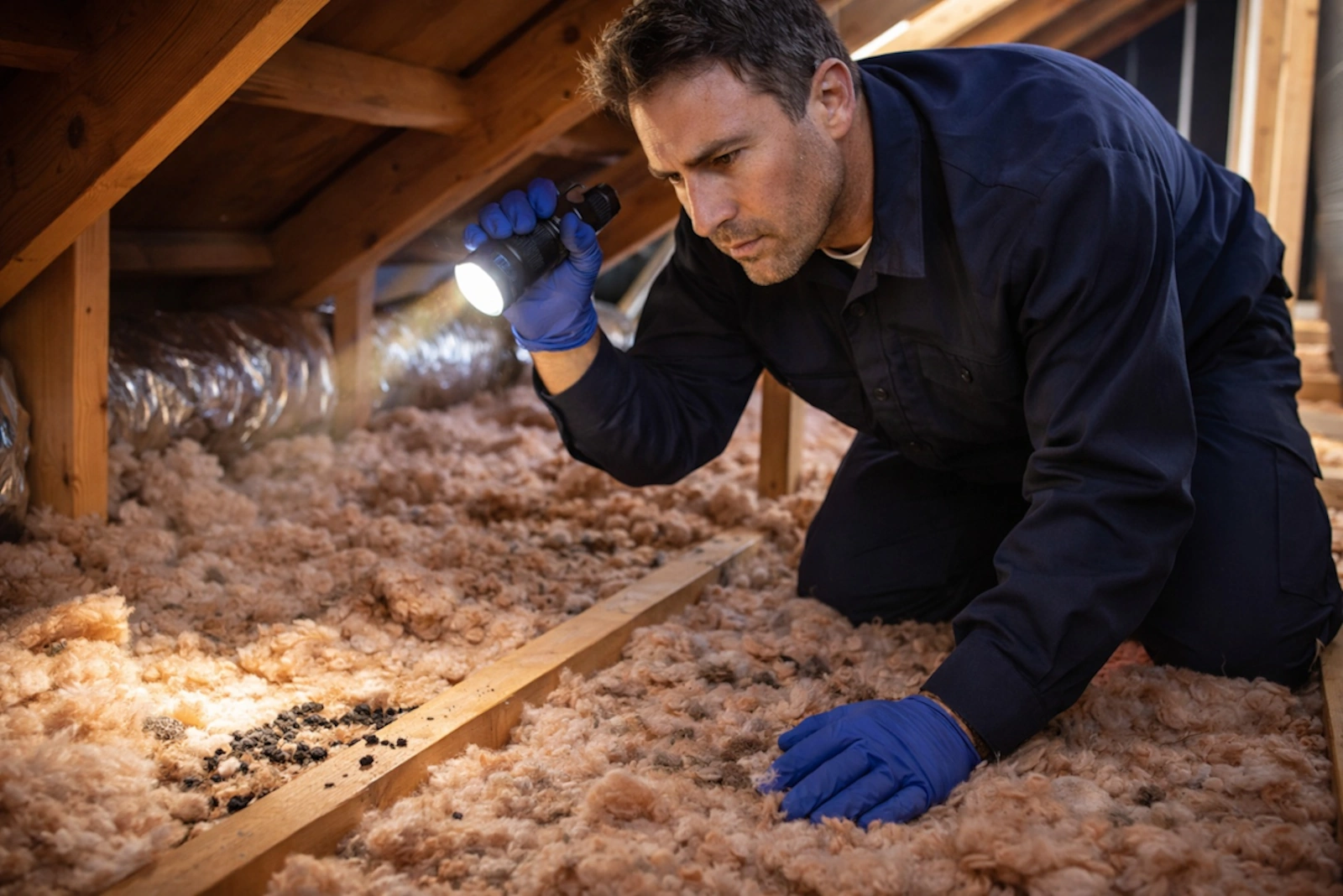
We determine whether you’re dealing with rats or mice, then look for runways, droppings, gnaw marks, and entry pathways around rooflines, garages, and utility penetrations.
Remove Active Pressure
We use targeted removal strategies based on where activity is concentrated. The goal is fast reduction without random “set traps everywhere” guessing.
Support Prevention + Exclusion
We outline what should be sealed and what habits reduce re-entry: storage, trash routines, vegetation trimming, and access improvements that make the structure less attractive.
What You Should Do Today
Remove accessible food sources, store pet food in sealed containers, and keep trash lids tight. Do not disturb droppings without protection. If you hear activity in the attic, avoid leaving attic access open. Take photos of droppings or damage and note where you saw it. These details speed up accurate recommendations.
Proof-First Rodent Control: Removal Plus Prevention That Holds Up
Rodent control succeeds when the plan addresses the reason rodents are present: access. We build trust through clarity, documentation, and practical steps you can actually follow. No vague promises. No “spray and pray.”
Proof
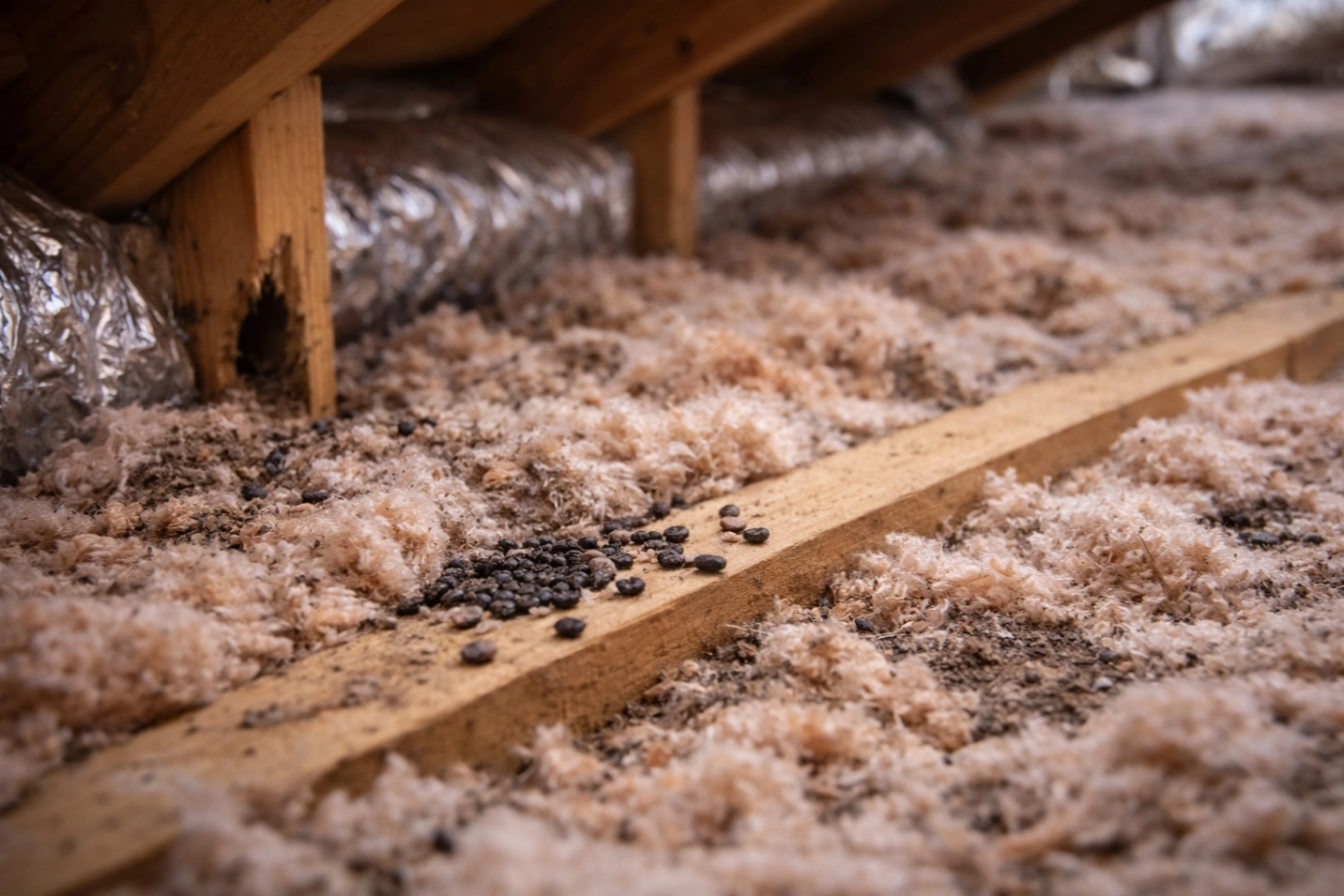
Activity signs documented for the plan
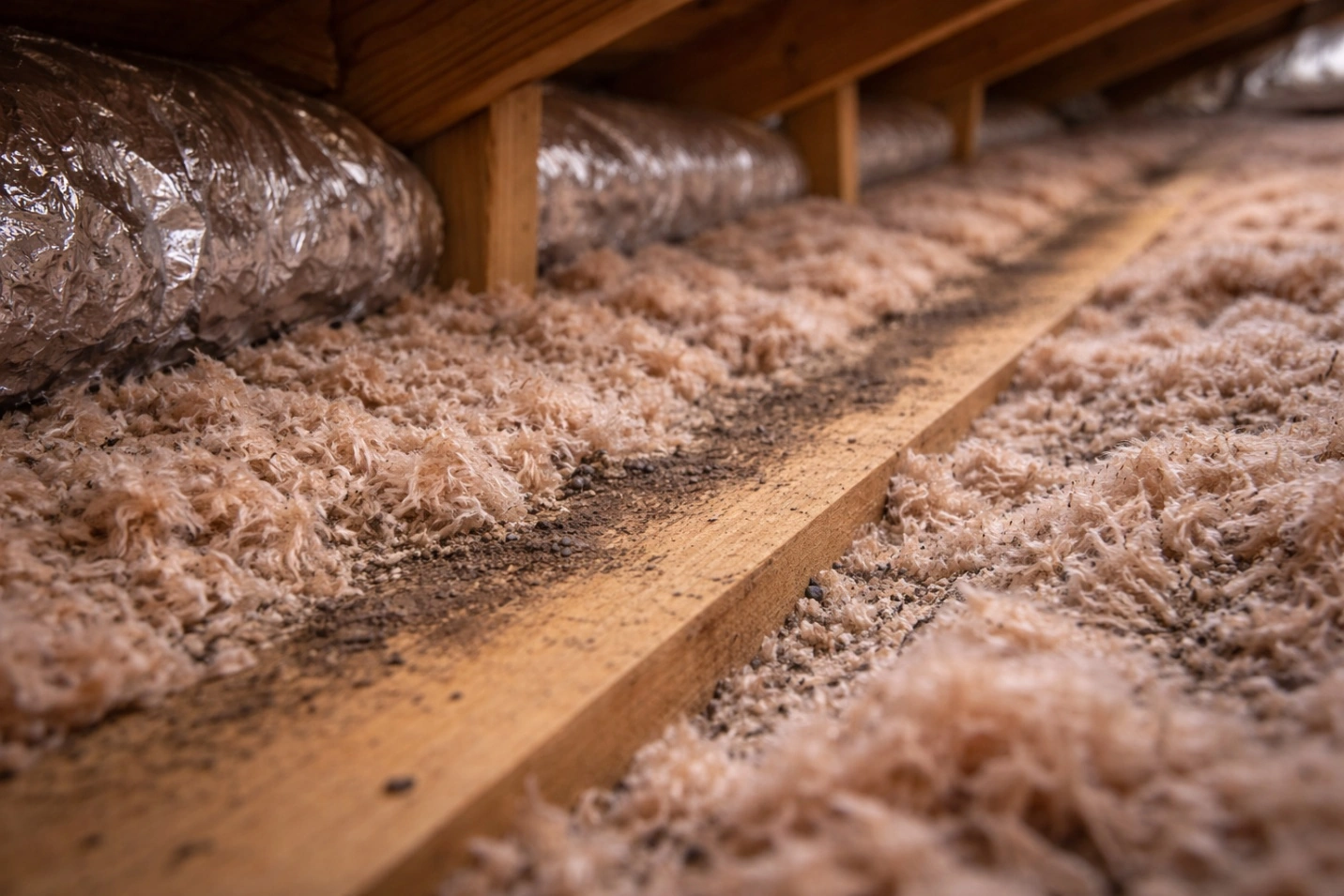
Runways and travel routes identified
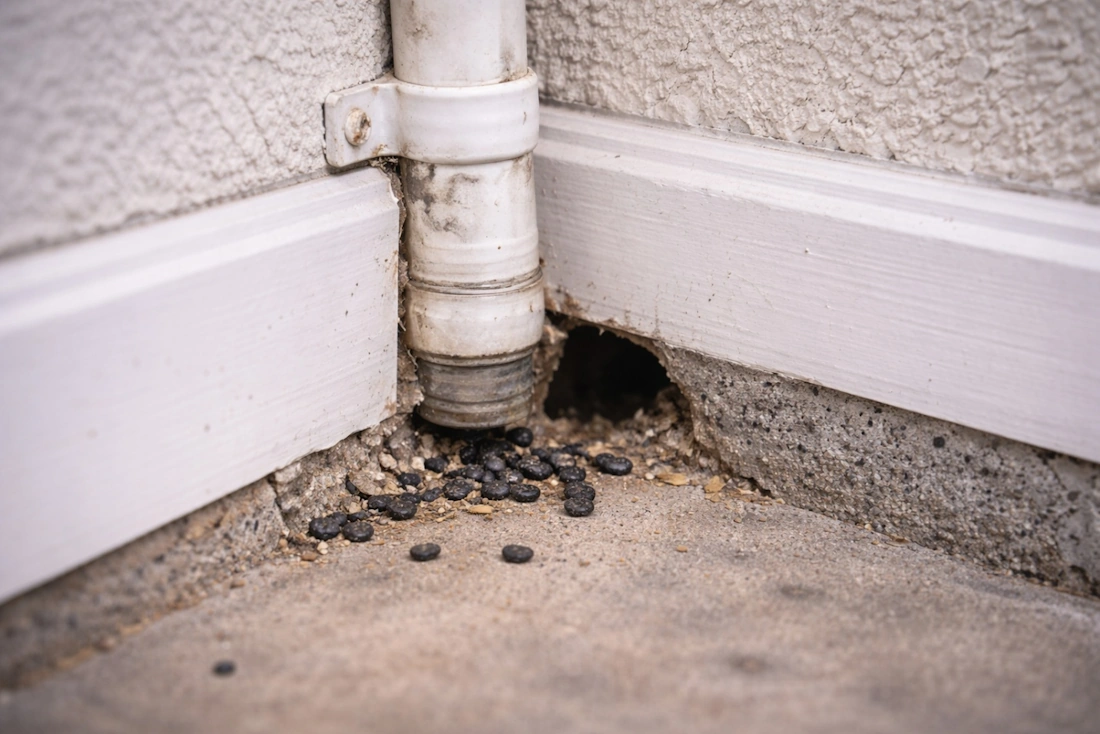
Entry points mapped for sealing
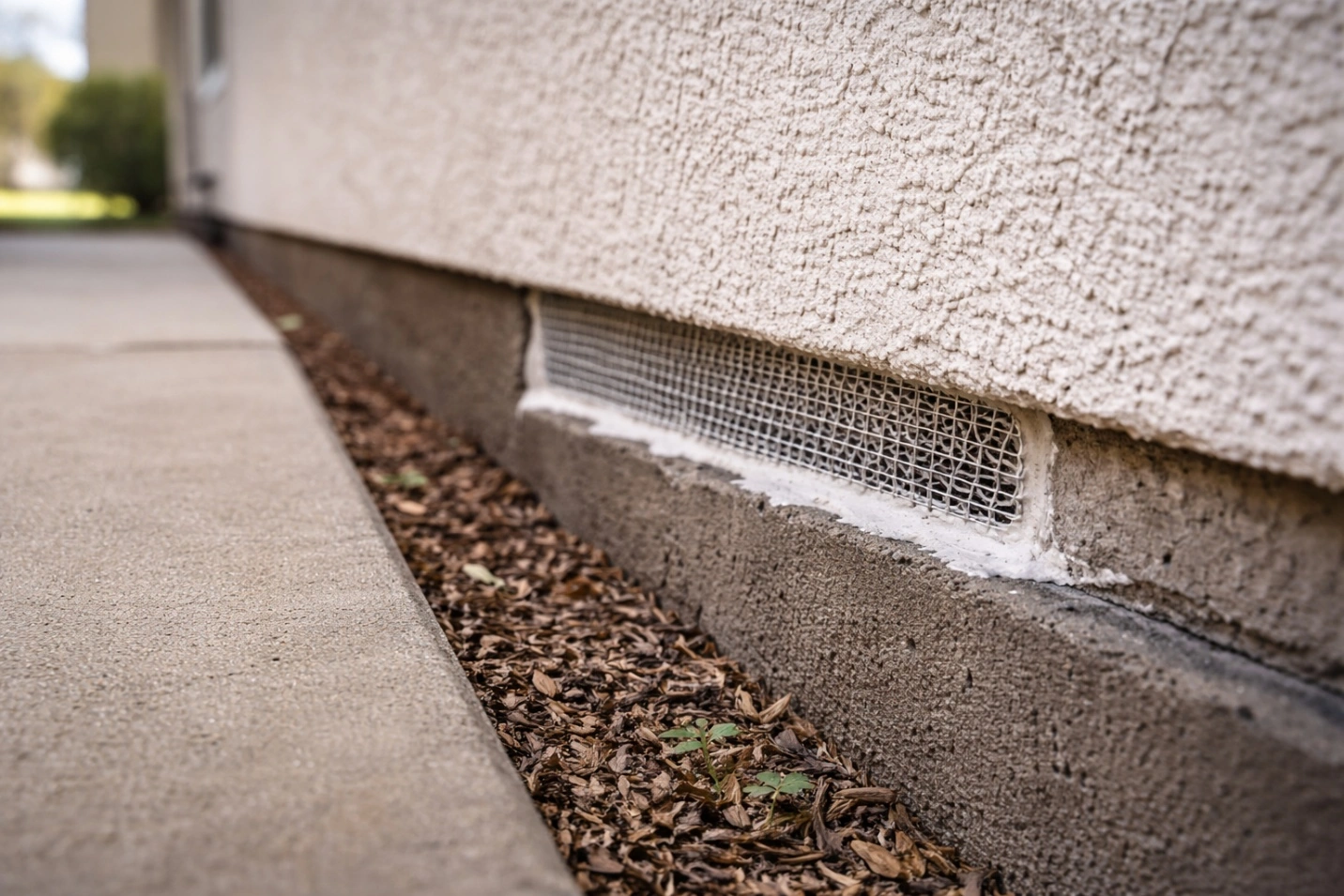
Exclusion guidance and prevention steps
Trust Stack (Beyond Reviews)
Rodent work should feel controlled and professional. Here is what we prioritize so results hold.
- ✓Clear Explanation of What You’re Dealing With (Rat vs Mouse)
- ✓Identified Travel Routes and Likely Entry Points
- ✓Targeted Removal Paired with Prevention Guidance
- ✓Support for Rentals, Multi-Unit Properties, and HOAs
Rentals
Property Managers
HOA / Condos
Authority References
Official guidance sources: CDC: Rodents, EPA: Rodenticides, CDPH.
Orange County Rodent Pressure: Coastal vs Inland and Seasonal Spikes
Rodent activity in Orange County is often year-round, but pressure changes depending on neighborhood patterns, vegetation density, and weather. Coastal areas tend to provide steady shelter and food due to dense landscaping and moderate temperatures. Inland areas can see spikes when heat drives rodents to seek cooler attic spaces and reliable water sources.
Coastal Orange County
Coastal neighborhoods often have continuous food sources and cover: palms, dense shrubs, and outdoor dining patterns. Rodents can travel along fences, rooflines, and utility lines. The risk increases when storage is accessible, trash routines are inconsistent, or vegetation touches the structure.
- ✓Dense Landscaping and Fence Lines Create Runways
- ✓Roofline Access and Utility Lines Aid Movement
- ✓Steady Year-Round Pressure in Sheltered Zones
Inland Orange County
Inland areas can see stronger seasonal spikes. Heat and drought conditions push rodents to seek predictable water sources and cooler shelter, which often means attics, garages, and crawl areas. Irrigation and fruit trees increase local pressure.
- ✓Heat-Driven Attic Nesting is Common
- ✓Irrigation and Fruit Trees Raise Food Access
- ✓Garage Access and Storage Create Recurring Issues
OC Pests by Season (Rodent Tie-In)
In Orange County, rodents often overlap with other pest seasons. When ants and cockroaches rise, food access increases. When temperatures swing, attic activity increases. If you want the problem solved, the plan must include prevention habits that stay realistic for your household.
Why Cheap Rodent Control Fails (and Keeps You Paying)
Cheap rodent service usually focuses on one thing: quick traps or bait with little follow-through. That can reduce activity temporarily, but it often fails because the entry points and travel routes remain open. In Orange County, constant pressure means new rodents replace the old ones quickly.
Common Failure Modes
- ✓No Entry-Point Identification or Sealing Recommendations
- ✓Random Trap Placement Without Mapping Travel Routes
- ✓No Prevention Guidance for Storage, Trash, and Landscaping
- ✓No Documentation, So the Plan Gets Repeated Forever
What a Smart Plan Looks Like
A smart plan explains what you are dealing with, where rodents are traveling, and why the structure is vulnerable. Then it combines removal with prevention and exclusion guidance. The goal is not temporary relief. The goal is to make your home a bad option for rodents.
If you are comparing providers, ask: “How will you prevent re-entry?” If the answer is vague, expect reinfestation.
Orange County Rodent Control Service Areas
We serve communities across Orange County. If you are near the county line or in a nearby area, call and we will confirm coverage.
Orange County Zip Grid (Sample Coverage)
Click any ZIP to call. If you are nearby, we likely cover you.
Call (714) 236-1200 to confirm your neighborhood and schedule.
Rodent Control FAQ for Orange County
Straight answers that help you decide next steps. Call (714) 236-1200.
How do I know if I have rats or mice?+
Rats usually leave larger droppings, stronger odors, and louder attic movement. Mice leave smaller droppings, can fit through tiny gaps, and often appear near pantries and baseboards. Both chew and contaminate surfaces. The fastest way to confirm is an inspection that identifies signs, travel routes, and likely entry points.
Is rodent control urgent?+
Yes. Rodents reproduce quickly and can contaminate insulation, storage areas, and surfaces. They also chew wiring, which increases fire risk. The longer the issue continues, the more likely you’ll deal with larger colonies and heavier cleanup needs. Early removal plus entry-point sealing reduces total cost and stress.
Why do rodents keep coming back?+
Reinfestation usually happens because entry points stay open and food sources remain accessible. In Orange County, rodent pressure is constant due to landscaping, fences, and nearby structures. If removal happens without exclusion and prevention habits, new rodents replace the old ones. The long-term fix is removal plus sealing and routine changes.
Can rodents damage my home?+
Yes. Rodents chew wiring, ducting, and structural wood, and they can tear insulation for nesting. They also leave urine and droppings that contaminate attic spaces and storage areas. Even “small” mouse activity can create big sanitation problems over time. Addressing it early prevents larger damage and cleanup costs.
Is it safe to clean droppings myself?+
Use caution. Avoid sweeping or vacuuming dry droppings, which can aerosolize particles. Wear gloves and a mask, ventilate the area, and disinfect before wiping. If droppings are heavy or in attic insulation, professional cleanup may be safer. If you have concerns about health risks, call before disturbing the area.
Do you use bait or traps?+
The method depends on what we find and where activity is concentrated. Traps are often used for targeted removal, while other strategies may be used based on access and safety considerations. The key is that removal alone is not enough. The plan must also address entry points and prevention to reduce re-entry risk.
What should I do before service?+
Secure food in sealed containers, clean crumbs, and keep trash lids tight. Remove clutter near walls and in garages where rodents travel. Note where you saw droppings or heard noises and take photos if possible. Avoid moving heavy attic items unless necessary. These steps help us confirm travel routes and speed up results.
Do you serve my city in Orange County?+
We serve communities across Orange County including Anaheim, Santa Ana, Irvine, Huntington Beach, Newport Beach, Costa Mesa, Fullerton, Orange, and many nearby areas. If you’re near the county line or just outside these cities, call and we’ll confirm. The fastest way is calling (714) 236-1200.
How do I schedule rodent control?+
Call (714) 236-1200 to schedule service or discuss what you’re seeing. If you prefer calls/text, use (714) 758-7778. We’ll help confirm urgency, recommend the right next steps, and set a time that works for your household or property access needs.
Need Rodent Control in Orange County?
Stop rats and mice fast, then close the entry points so they don’t return. Call now for scheduling and next-step guidance.