
Bed bugs are stressful. The plan shouldn’t be.
Bed bugs cause a special kind of stress because they mess with sleep and certainty. People start questioning everything: “Is it bed bugs or mosquitoes?” “Did we bring them home?” “Should we throw everything away?” “Will this spread to the kids’ rooms?” The goal of an inspection-led approach is to remove the guesswork quickly and replace it with facts and a step-by-step path to elimination.
Most of the time, the biggest mistakes happen in the first 48 hours. Not because people don’t care, but because online advice is chaotic. Some people overreact and start moving furniture and belongings around the home, which can spread bed bugs into new areas. Others underreact,
try a light DIY spray, and accidentally create a drawn-out infestation that becomes harder to eliminate later. We aim for the middle path:
confirm, contain, treat properly, and verify.
Common signs of bed bugs in Orange County homes
Bed bugs aren’t a sign of dirtiness. They are hitchhikers. You can get them from travel, visitors, used furniture, adjacent units, rideshares, hotels, and short-term rentals. What matters is recognizing the signs early and responding correctly.
Bites and skin reactions
Some people react strongly, others barely react at all. Bites may appear in clusters or lines, often on arms, shoulders, neck, and legs. A lack of bites does not mean a lack of bed bugs.
Spotting on sheets
Small dark spots on bedding, mattress seams, or pillowcases can be bed bug fecal spotting. Rusty stains may also appear from crushed bugs.
Skins and hidden insects
Shed skins, tiny pale eggs, or live insects in mattress seams, box springs, headboards, or furniture joints are a strong indicator.
If you suspect bed bugs: Avoid moving items between rooms, and call for confirmation. The fastest fix starts with the right diagnosis.
Why inspection-led bed bug control matters
Bed bugs are experts at hiding. A surface-only spray tends to miss the places where bed bugs actually live: mattress piping, box spring interiors, headboard joints, bed frame cracks, baseboards, drawer rails, upholstered seams, and wall voids. Even when you kill visible bugs, missed eggs and hidden adults can restart the infestation.
An inspection-led plan helps us answer the questions that actually matter:
- Is the activity isolated to one room or spread across multiple areas?
- Are harborages concentrated in the bed, or has the infestation moved into furniture and perimeter zones?
- Is there a multi-unit risk where bed bugs may be traveling through shared walls?
- What actions could accidentally spread the infestation further?
- What follow-up verification steps will confirm elimination?
This is how you avoid the “it got better for a week then came back” cycle.
Our bed bug elimination process
Every home is different, but the elimination framework stays consistent: confirm activity, contain spread, target harborages, address eggs, and verify results. We keep expectations clear so clients know what to do, what to avoid, and how success is measured.
Step 1: Structured inspection
We inspect mattresses, box springs, bed frames, headboards, upholstered furniture, baseboards, and common hiding zones. When appropriate, we evaluate adjacent-risk areas like nearby seating, closets, and clutter zones.
- Identify likely harborages
- Confirm severity and spread
- Flag high-risk behaviors that spread bed bugs
- Document what we find and what it means
Step 2: Elimination plan built for your layout
Treatment is selected based on infestation size and structure layout. The objective is to reach where bed bugs hide, maintain control over migration, and reduce the chance of reinfestation.
- Targeted treatment in bed bug zones
- Perimeter and furniture seam focus
- Monitoring strategy for confirmation
- Client prep steps that make treatment more effective
Step 3: Egg + harborage targeting
Eggs are a major reason infestations return. We focus on interrupting the life cycle by targeting the places eggs and nymphs are found. Proper seam work, joint work, and harborage focus is where most “cheap treatments” fall short.
- Seams, joints, and structural cracks
- Bed frames and headboard attachment zones
- Box spring and furniture structure areas
Step 4: Follow-up verification
Verification is how you know it’s done. We use follow-up inspection logic and monitoring guidance to confirm that activity has stopped. If any signs remain, we address them early before they become a restart.
- Confirm reduced activity
- Identify lingering hot spots
- Prevent a “quiet rebound” weeks later
Orange County bed bug pressure: Coastal vs. Inland
Bed bugs don’t care if you live in a high-rise near the coast or a single-family neighborhood inland. What changes is how they’re introduced and how fast they can spread. Orange County has constant movement: tourism, commuting, visitors, rentals, and short-term stays.
Coastal pressure
Coastal areas often see bed bug introductions tied to travel and guest turnover. Short-term rentals and hospitality activity can create repeated introductions through luggage, linens, and furniture movement. Prevention leans heavily on travel checks, laundry protocol, and early confirmation.
- Travel and luggage introductions
- Short-term rental turnover
- Visitor density and shared seating
Inland pressure
Inland communities often see infestations spread through dense housing and shared structures. In apartments and condos, bed bugs can move through wall voids and shared lines. Success depends on containment and coordination, not just treating the “worst” unit.
- Multi-unit migration risk
- Shared walls and utilities
- Used furniture and moves
The takeaway: Bed bugs are manageable, but only when the response is structured. Waiting and guessing is what turns a “small problem” into a multi-room situation.
Why cheap bed bug control fails
Bed bugs are one of the most commonly mistreated pests because people want a quick fix and the internet sells a fantasy that one product solves it.
In reality, the “cheap plan” usually costs more in time, stress, replacement items, and repeat treatments.
No inspection
Without confirming where bed bugs are hiding, treatment misses key harborages. You might reduce activity temporarily while the main population survives.
Surface-only sprays
Bed bugs live in seams, joints, and voids. Surface spraying kills what’s exposed, not what’s hidden. The infestation “quietly resets” and returns.
No verification
If nobody verifies elimination and you don’t monitor, you won’t know if activity is truly gone until bites return weeks later.
- Missed egg clusters lead to rebound
- Moving items spreads bed bugs to new rooms
- Incomplete prep reduces treatment effectiveness
- Multi-unit infestations require coordination
- DIY mixes can create confusion and resistance issues
Bed bugs are beatable. They’re just not beatable with random attempts.
Homeowner preparation checklist
Preparation doesn’t need to be extreme, but it must be consistent. The goal is to reduce hiding places, isolate clean items, and support the treatment plan. The biggest mistake is panic-cleaning that spreads bed bugs into new spaces.
What to do
- Heat dry bedding and clothing (heat is your friend)
- Bag cleaned items in sealed containers to prevent re-contact
- Declutter around beds and baseboards to reduce hiding zones
- Vacuum seams and edges (discard vacuum contents carefully)
- Keep beds slightly off walls when possible during elimination
- Follow the exact guidance provided for your layout
What not to do
- Don’t move furniture room-to-room “to clean it”
- Don’t drag mattresses through the home without containment
- Don’t throw away items before confirmation (it can spread bugs)
- Don’t mix multiple DIY products (it creates noise, not results)
- Don’t ignore adjacent seating like couches and recliners
- Don’t assume no bites means no bed bugs
Done right, preparation makes elimination faster and more predictable. Done wrong, it spreads bed bugs and turns a bedroom issue into a whole-home issue.
Apartments, condos, hotels, and short-term rentals
Bed bugs thrive where turnover is high and walls are shared. If you manage properties or operate a short-term rental, the goal is not only elimination, but reducing reintroduction risk through consistent protocols.
Multi-unit reality
In apartments and condos, bed bugs may travel through shared wall voids and utility pathways. Treating only one unit can fail if adjacent activity exists. Coordination and documentation matter.
Turnover protocols
For short-term rentals, consistent inspection routines, linen handling, and furniture checks reduce the odds of recurring incidents. The goal is to catch introductions early before they spread.
Discreet service
We understand reputational concerns. Bed bug response should be professional and discreet, with clear steps staff and residents can follow.
If you suspect a multi-unit situation, don’t wait. Early containment reduces building-wide risk.
What affects scope (without putting pricing on the site)
You asked for no pricing on the site. Good call. Bed bug work should be scoped correctly because the “same problem” can look completely different depending on the property. Instead of guessing online, here are the real variables that change the plan:
Infestation variables
- How long activity has been present
- Whether bites are occurring nightly
- Visible spotting vs. hidden harborage activity
- Bed-only vs. bed + furniture spread
- Egg density and nymph presence
Property variables
- Number of bedrooms and sleeping zones
- Clutter level and storage density
- Multi-unit adjacency risk
- Upholstered furniture volume
- Turnover risk (guests, travel frequency, rentals)
The point: Proper scope is how you avoid repeat cycles. Confirmation first, then the right plan.
Real work / Real results
This section is intentionally built for real proof assets later: discreet job photos (no personal items), monitoring confirmations, and documentation screenshots (with private info removed). It’s more persuasive than generic stock images, and it makes your page feel real.
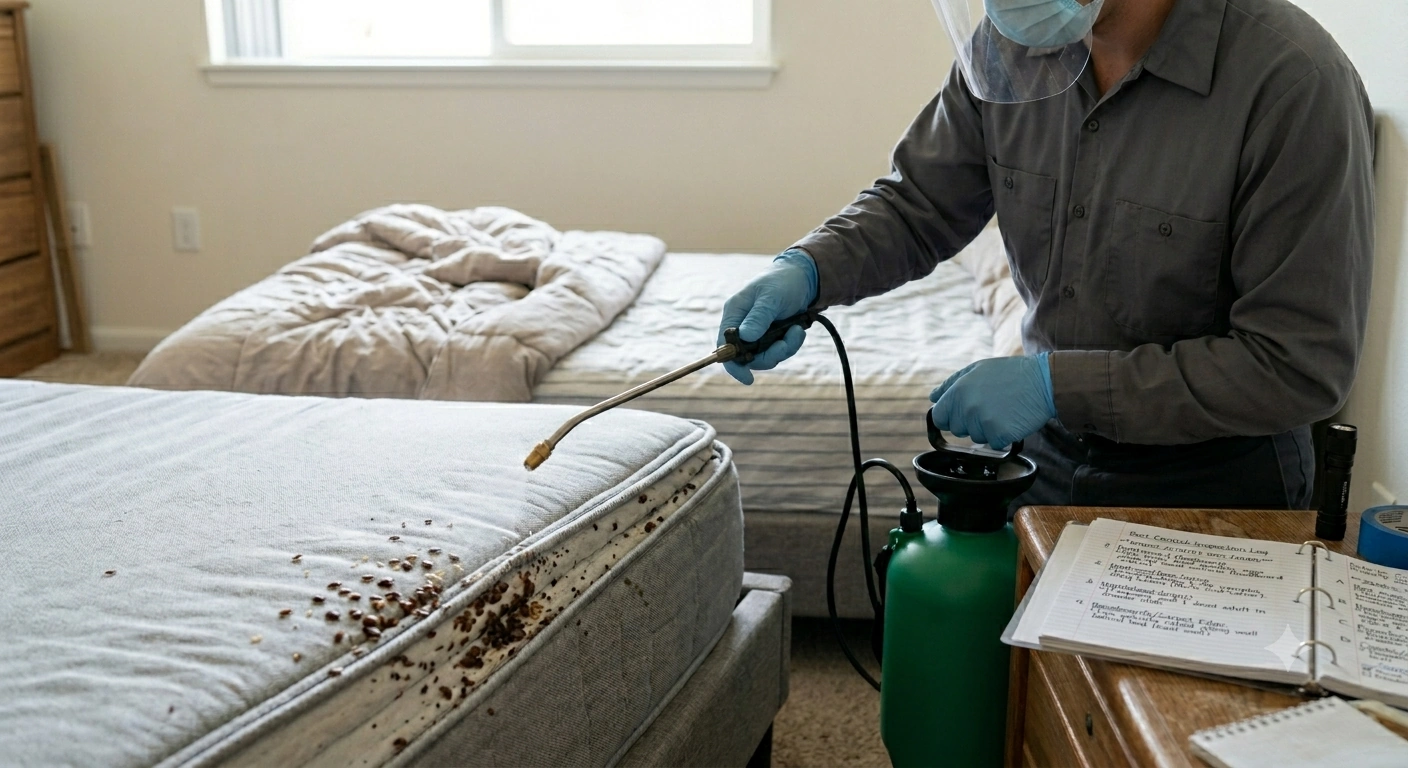
Inspection documentation
Clear notes on where activity was found and what zones were treated.
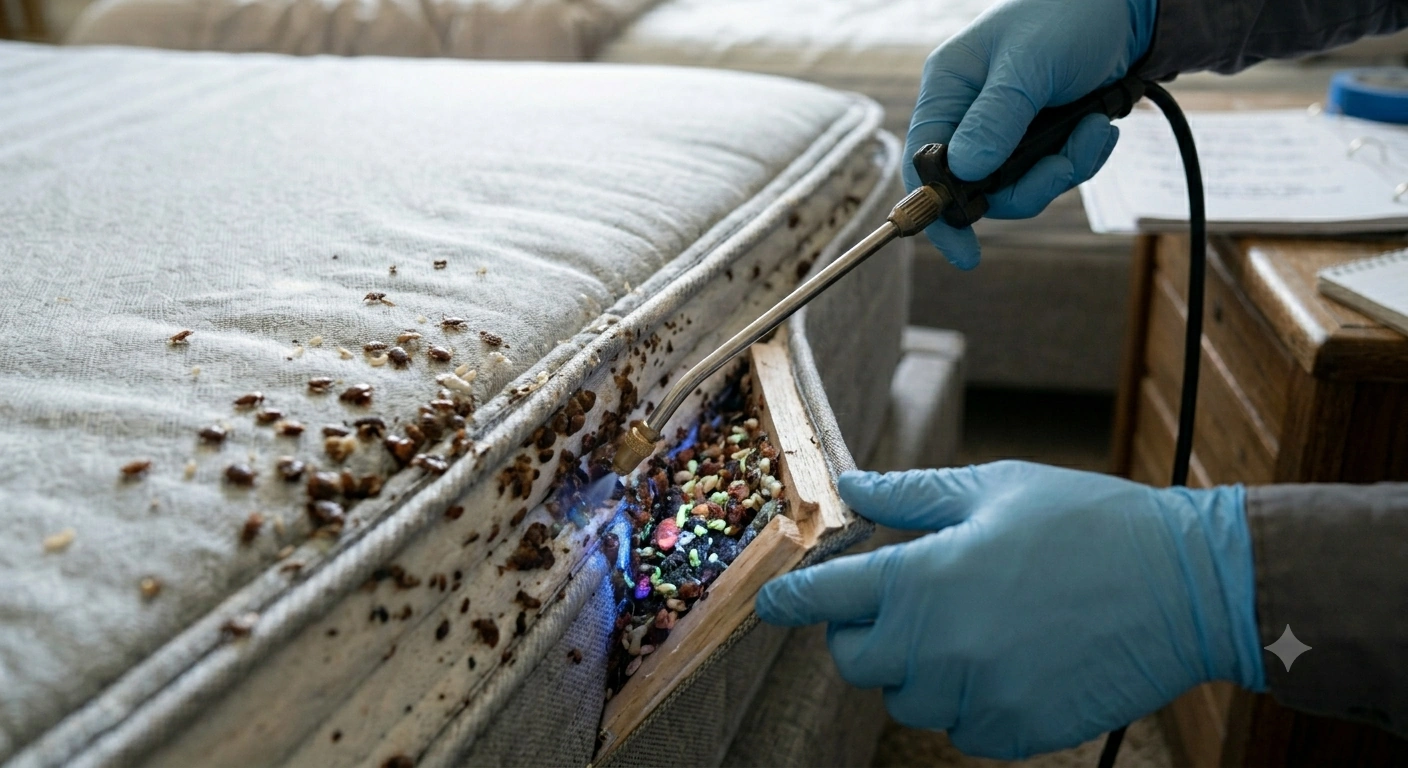
Targeted elimination
Treatment focused where bed bugs hide, not where people hope they are.
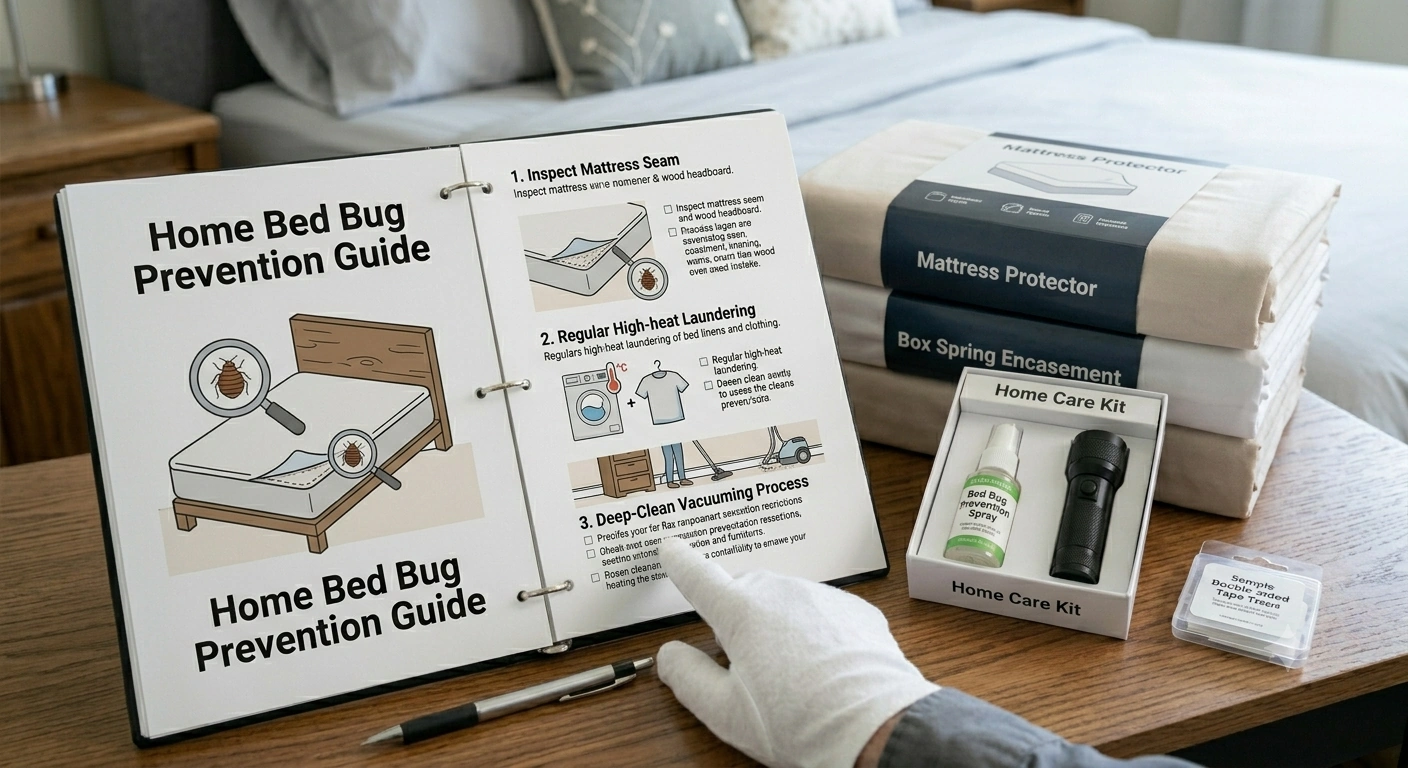
Prevention guidance
Simple actions that reduce the chance of reinfestation from travel or guests.
Related Orange County pest services
Bed bugs aren’t the only high-stress pest issue in Orange County. If you’re also dealing with crawling insects or need a full home protection plan,
these pages may help:
Trusted bed bug resources
These are reliable, non-hype sources that explain bed bugs clearly:
Bed bug FAQ (AI-friendly answers)
These answers are written to be clear for homeowners and also easy for AI answer engines to extract correctly. If you want, we can add a second “property manager” FAQ block later.
How do I know if I have bed bugs or something else?
Bed bug signs typically include bites (often in clusters), dark spotting on sheets or mattress seams, shed skins, and live insects hiding in seams or joints. Because bites alone can be misleading, the best next step is confirmation through a structured inspection of beds, furniture seams, and perimeter cracks.
Can bed bugs live in couches and recliners?
Yes. Upholstered furniture is a common hiding place, especially if people nap or spend long periods on the couch. Bed bugs hide in seams, under cushions, and inside frames. Treating only the bed while ignoring a nearby couch is a common reason infestations return.
Do I need to throw away my mattress?
Not always. Many mattresses can be saved with correct treatment and a quality encasement, as long as the mattress structure is intact. Throwing a mattress out without containment can spread bed bugs through the home. Confirmation and proper steps matter more than panic removal.
How fast do bed bugs spread?
Bed bugs spread faster when items are moved room-to-room, when infestations go untreated, or when there is shared-wall migration in multi-unit buildings. Early containment and inspection-led treatment reduces spread. Waiting while guessing often turns a single-room issue into a multi-room issue.
Are bed bugs dangerous to my family?
Bed bugs are not known to transmit disease, but they can cause significant sleep disruption, stress, and allergic skin reactions. The bigger risk is prolonged exposure and the emotional toll of an ongoing infestation. A structured elimination plan restores normal life quickly.
Why do bed bugs keep coming back after DIY sprays?
DIY sprays often miss hidden harborages and eggs, and they rarely include verification steps.
Bed bugs hide in seams and cracks where surface sprays don’t reach. When eggs hatch later, activity returns and it feels like the problem “came back.” Inspection-led treatment focuses on life cycle interruption and follow-up confirmation.
What should I do before service to avoid spreading them?
Avoid moving furniture and belongings into other rooms. Heat-dry bedding and clothing, bag cleaned items, and reduce clutter near the bed and baseboards. Vacuum seams carefully and discard vacuum contents in a sealed bag. The goal is containment and clarity, not aggressive moving and reshuffling.
Can bed bugs spread between apartments?
Yes. In apartments and condos, bed bugs can migrate through shared walls, utility pathways, and hallway movement. Treating one unit may fail if adjacent activity is present. A coordinated approach and documentation helps reduce reinfestation cycles in multi-unit buildings.
How long does bed bug elimination take?
The timeline depends on severity, layout, and how many rooms or furniture zones are involved.
Some situations resolve quickly with a structured plan, while others require staged treatment and verification. The key is not rushing blindly, but confirming results through monitoring and follow-up.
Can I travel and bring bed bugs back again?
Reintroduction through travel is common. Use luggage racks in hotels, keep bags off beds, and heat-dry travel clothing when you return. If you travel frequently, ask about a prevention routine and monitoring strategy so you catch issues early rather than after they spread.
Do bed bugs mean my home is dirty?
No. Bed bugs are hitchhikers, not hygiene pests. You can get them from travel, visitors, rideshares, used furniture, or adjacent units. The solution isn’t shame or panic, it’s a structured elimination plan and clear prevention steps to reduce future introductions.
What’s the best next step if I suspect bed bugs?
The best next step is confirmation. Don’t move items between rooms. Call 714-236-1200 and describe what you’re seeing. We’ll guide you on immediate containment steps and schedule inspection-led service so you can stop guessing and start eliminating the issue.