
A real inspection, not a 2-minute walkthrough
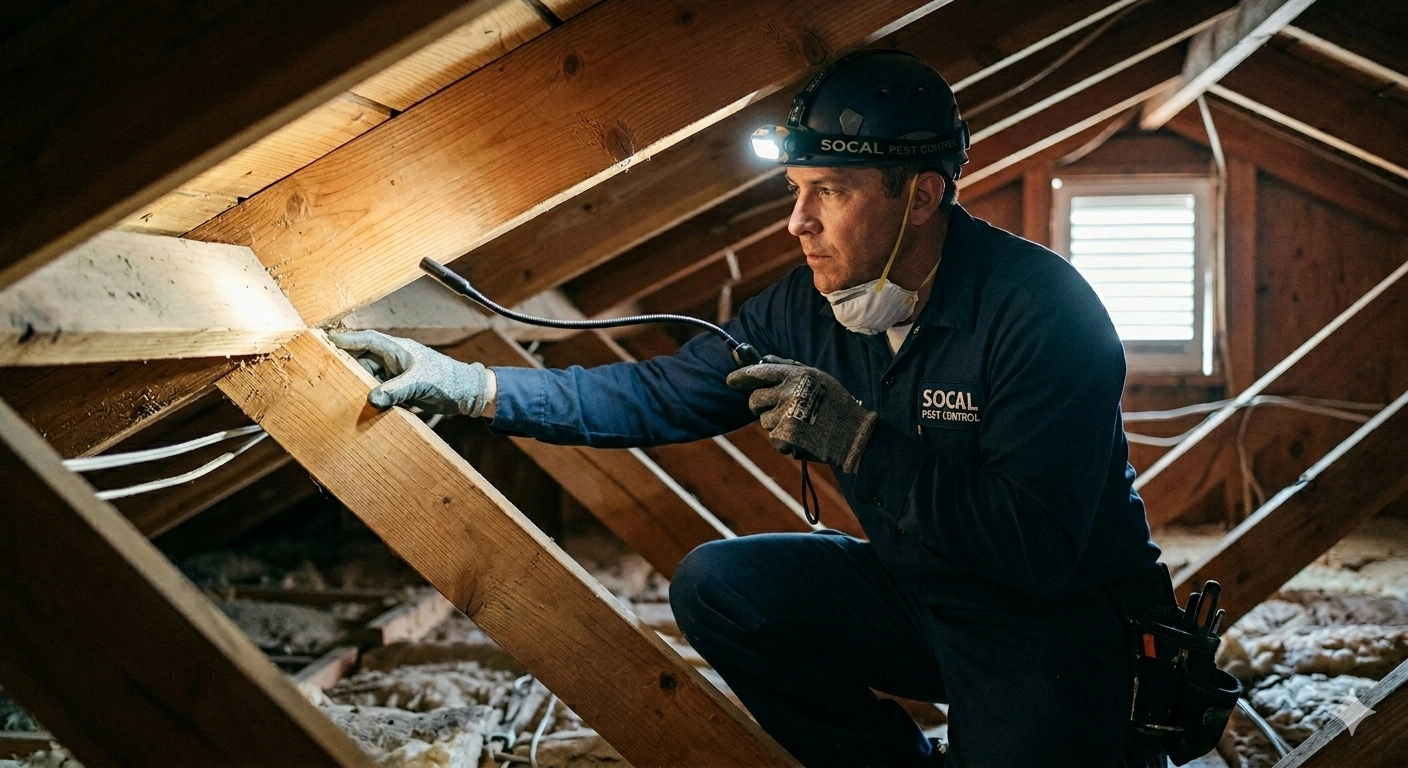
Most “inspections” in the pest industry are actually sales visits. We treat this as a diagnostic appointment. You’ll know what pest you’re dealing with, why it’s happening, and what stops it long term.
- Identification: termites vs ants vs roaches vs “random bugs” so you don’t treat the wrong thing.
- Pressure points: entry routes, harborage zones, moisture sources, and food attractants.
- Risk zones: attic, eaves, fascia, crawl spaces, garages, kitchens, bathrooms, perimeter.
- Plan: prevention steps + targeted treatment options based on the pest and the structure.
- Clear next steps: what to do now, what to monitor, and what to maintain seasonally.
High-click note: If you’re here for termites, you’re not alone. Orange County homes see heavy
termite pressure, especially along coastal zones and older neighborhoods with wood exposures.
What is a pest inspection and what does it include?
A pest inspection identifies the pest species, where it’s active, how it’s entering the structure, and what conditions are driving it (moisture, gaps, wood contact, food sources). The result should be a clear prevention plan and treatment options tailored to the home, not a one-size spray.
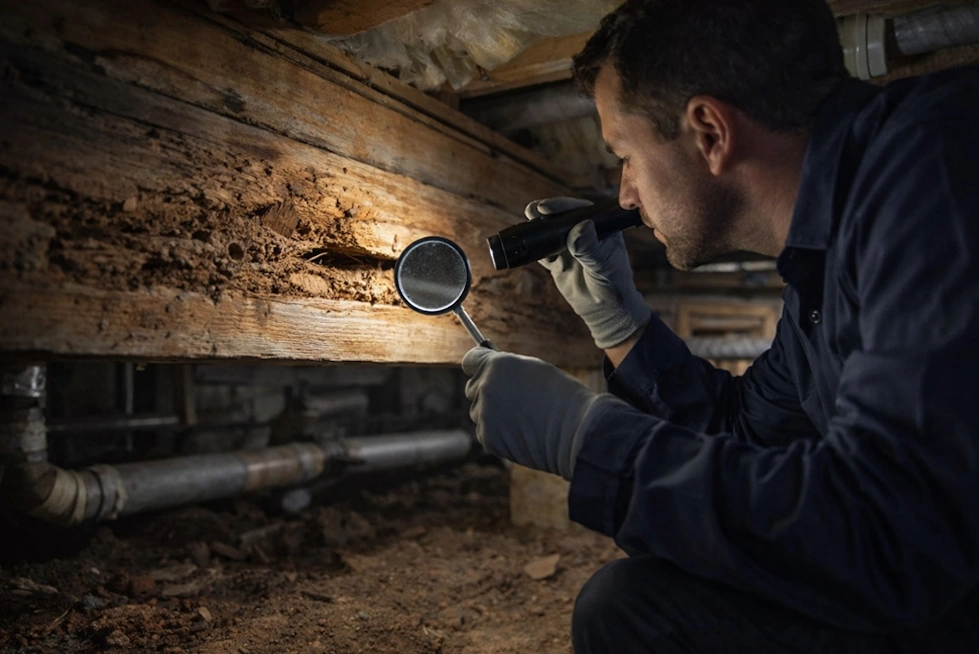
Want DIY confirmation first? Use our pest library (then come back when you want it fixed the right way).
Termite Inspections in Orange County (All Types)
Termites are not “just a bug problem.” They’re a wood-destroying organism problem, and Orange County is a high-pressure region. The inspection has to identify the termite type, the activity pattern, and whether localized treatment is appropriate or if the structure needs a broader plan.
Drywood termites
Common in attics, fascia boards, eaves, and exposed wood. Often discovered by frass (pellet droppings).
Subterranean termites
Soil-based colonies that access wood from below. Look for mud tubes, foundation pathways, and moisture-adjacent activity.
Dampwood termites
Less common, but show up where there’s chronic moisture: leaks, rot, wood-to-soil contact, and drainage issues.
Common termite signs homeowners miss
- Pin-sized “kick-out” holes with pellets below (drywood frass).
- Discarded wings near windows/doors (swarmers).
- Blistered paint, hollow-sounding trim, or soft wood around sills.
- Mud tubes along foundation, garage edges, or plumbing penetrations.
- “New” ants appearing where moisture or wood issues exist (can be a termite clue).
For a reputable baseline on termite behavior and treatment categories, we follow guidance from UC IPM. UC IPM termite notes are a solid reference, but your home still needs a real inspection because termite type and structure conditions change the plan.
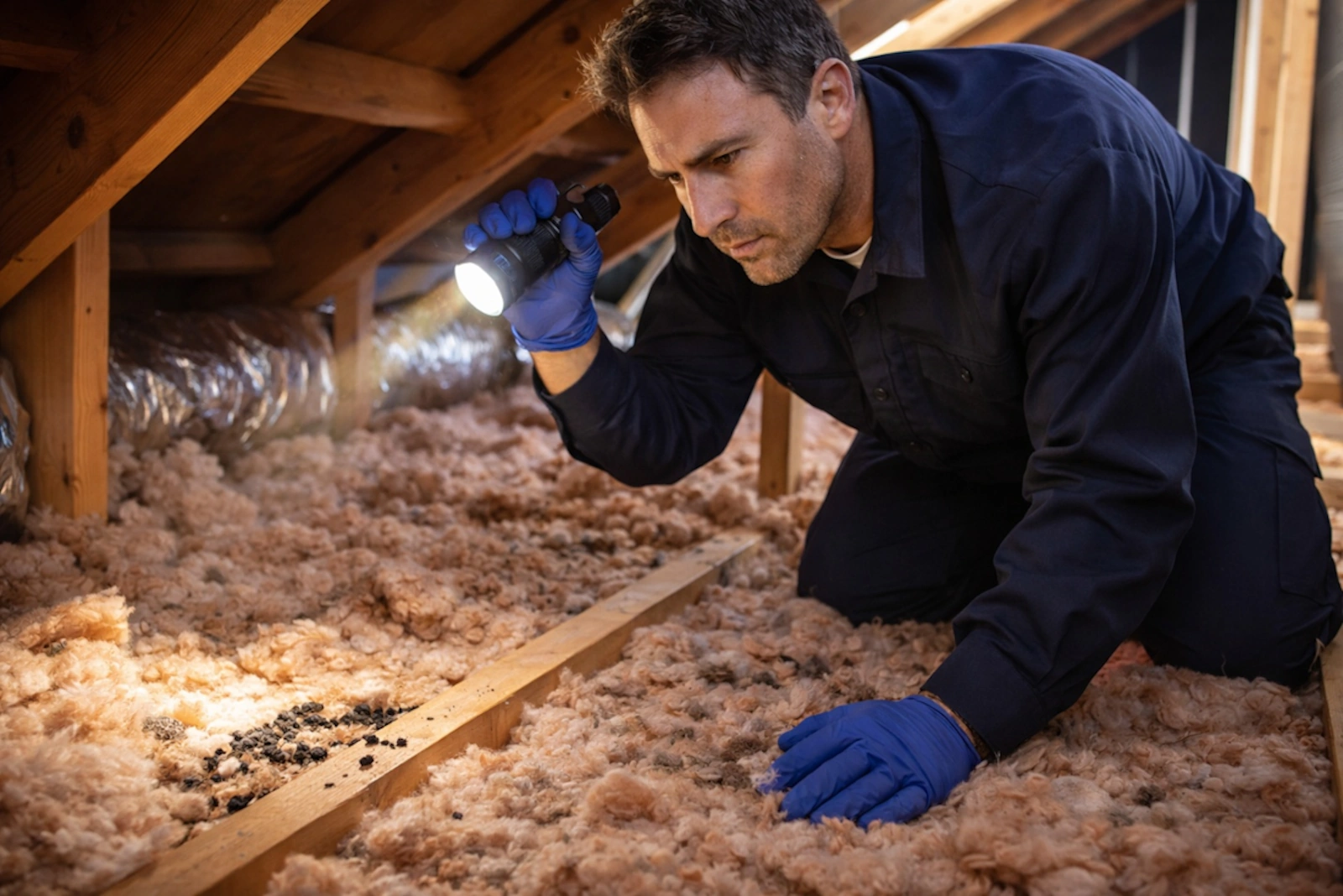
Why “cheap termite control” fails
Cheap termite work usually skips the part that matters: species identification, spread mapping, and the conditions that keep termites returning
(wood exposure, moisture, access points, untreated adjacent zones). We inspect first so the treatment matches the termite and the structure, not a generic script.
If you’re in escrow or need documentation, tell us upfront so we handle the inspection reporting correctly.
What We Inspect For (Orange County Homes)
Inspections are where most infestations are won or lost. If you treat the wrong pest or ignore the entry route, you’ll be back here in 3 weeks. We inspect for the high-frequency Orange County culprits and the conditions that feed them.
Ants (incl. invasive ants)
We trace trails, nesting zones, and pressure points. Ant control fails when you don’t fix access and attractants.
Rodents
We check attic, garage edges, roofline gaps, vents, and utility penetrations. Prevention is exclusion + monitoring.
Roaches
We focus on kitchens/baths, moisture and harborage zones. Real control is sanitation guidance + targeted treatment.
Bed bugs
We inspect sleeping zones, furniture seams, and travel patterns. Misdiagnosis is common, so confirmation matters.
Spiders & wasps
We inspect eaves, patio covers, exterior lighting zones, and webs that indicate food sources (other insects).
“Mystery bugs”
Gnats, pantry pests, beetles, fleas, and seasonal invaders. Identification is step one before any treatment.
Orange County pressure: coastal vs inland
Pest pressure varies by micro-climate. Coastal zones often see steady year-round activity and moisture-adjacent pests, while inland areas can see sharper seasonal spikes. That’s why prevention is about the home’s conditions: gaps, landscaping contact, moisture, food storage, and exterior lighting.
- Spring: swarms, ants, and “sudden” activity after weather changes.
- Summer: increased insect pressure near kitchens, patios, and trash zones.
- Fall: rodents and overwintering pests search for shelter.
- Winter: activity doesn’t stop here. It shifts indoors and into protected voids.
We follow integrated pest management principles (IPM) which prioritize identification, prevention, and targeted application. UC IPM is a reliable baseline reference: ipm.ucanr.edu.
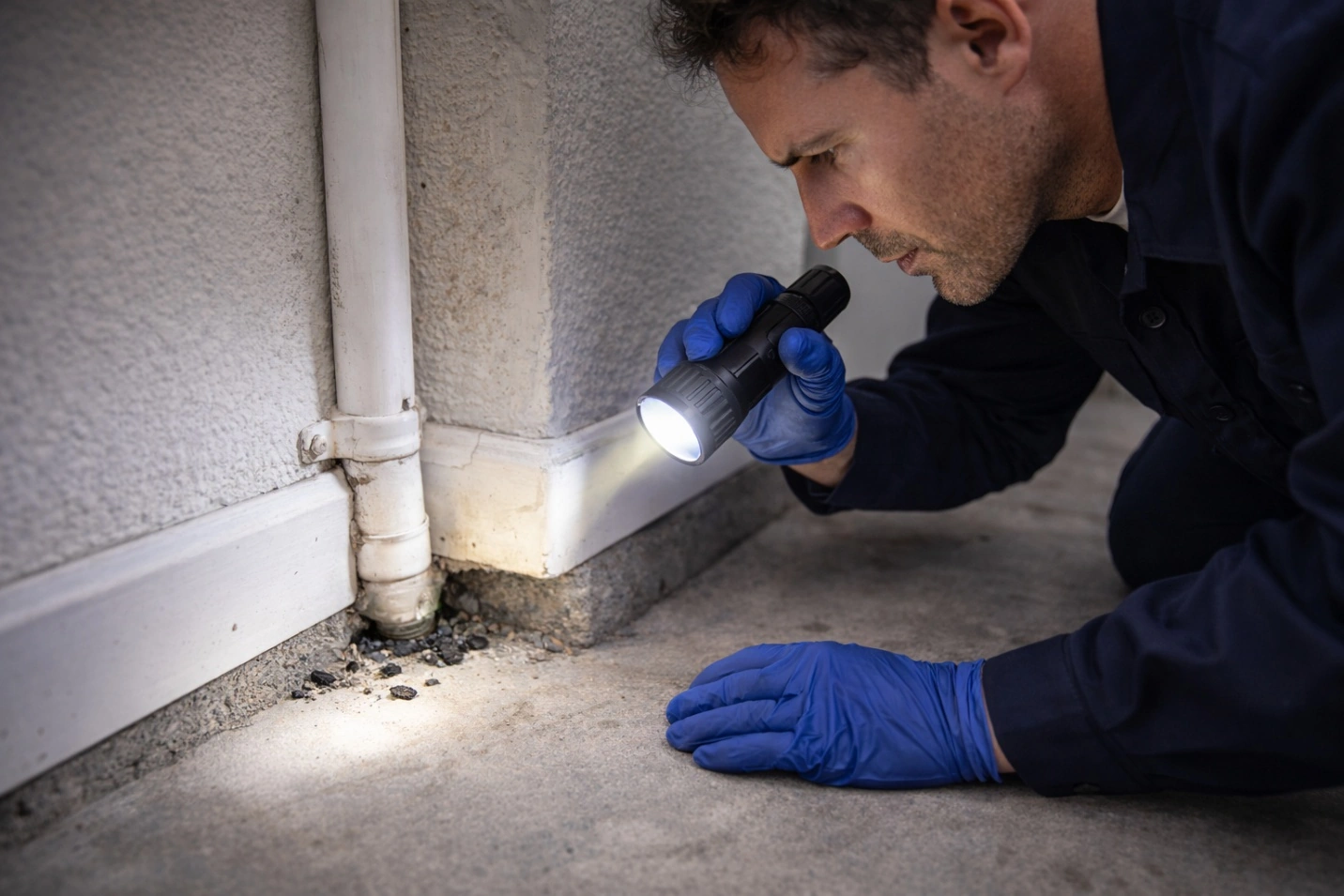
Inspection checklist (what we look at)
- Foundation line, slab edges, and expansion joints
- Door sweeps, thresholds, weather stripping gaps
- Weep screeds, stucco cracks, and pipe penetrations
- Roofline vents, eaves, fascia, and attic access zones
- Garage edges, utility lines, and side-yard tight corridors
- Kitchen/bath moisture zones and plumbing adjacency
Prevention & Exclusion: How We Stop Repeat Problems
Spraying without prevention is like mopping while the faucet is running. Orange County homes stay protected when you reduce access and pressure: seal the right gaps, correct moisture, manage landscaping contact, and use targeted treatment only where it belongs.
Seal entry points
We identify gaps pests actually use, then recommend practical sealing that doesn’t trap moisture or cause airflow issues.
Moisture control
Leaks, condensation, and poor ventilation can drive roaches, ants, termites (dampwood), and more.
Perimeter reduction
Trim vegetation off the structure, reduce wood contact, and manage mulch-to-wall contact zones.
Targeted treatment
Use the right method for the right pest. This improves results and reduces over-application.
What happens after you call (simple & clear)
- We ask a few quick questions (what you’re seeing, where, timeline, and any photos if you have them).
- We inspect the structure focusing on the zones that match the pest and the home layout.
- You get a clear plan with prevention steps and the correct treatment options for the pest type.
- We implement and follow up based on the plan and seasonal pressure in your area.
For urgent activity (termite swarms, rodent droppings, roach activity), call now:
714-236-1200.
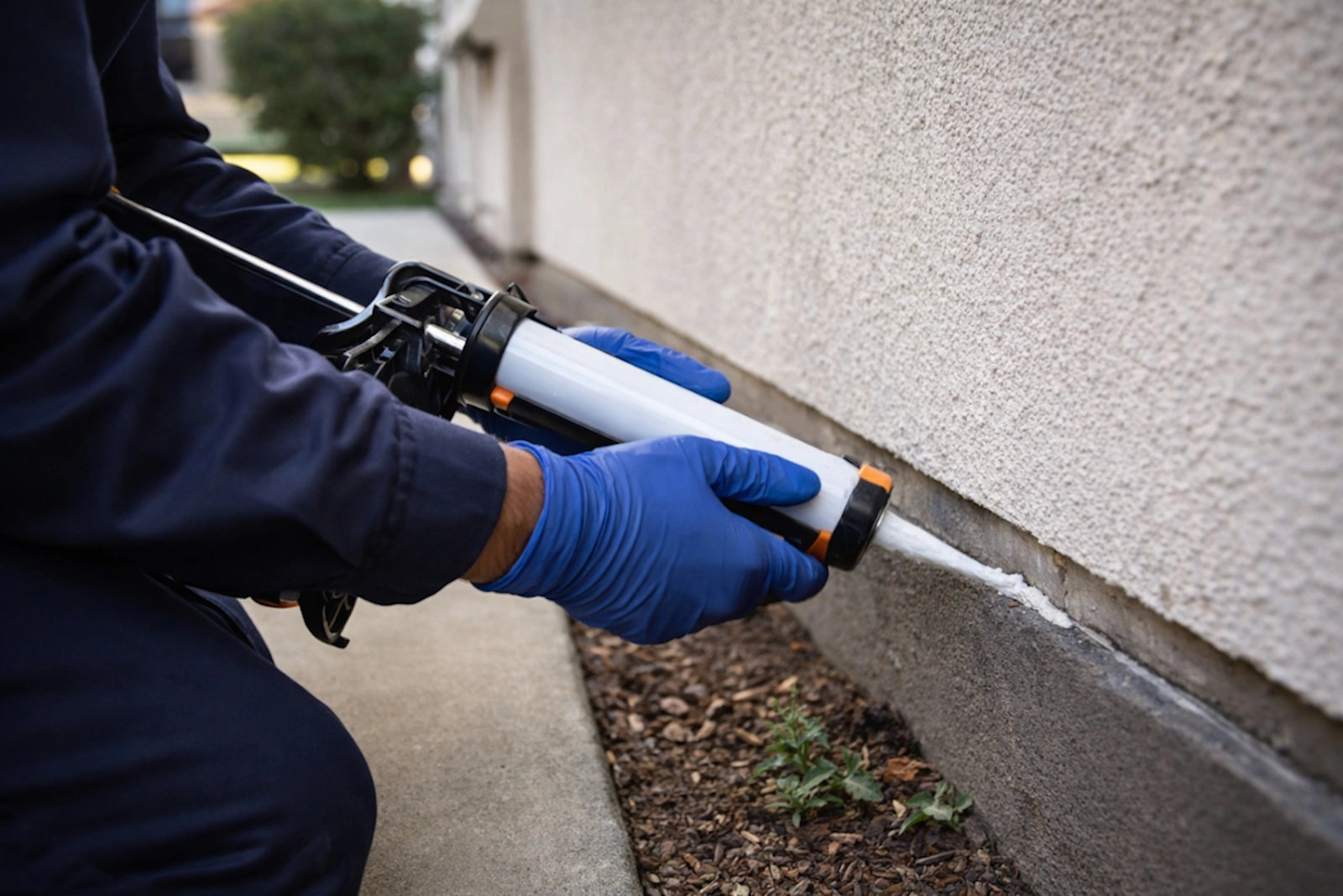
Prevention is what lowers call-backs and keeps your home stable through seasonal swings.
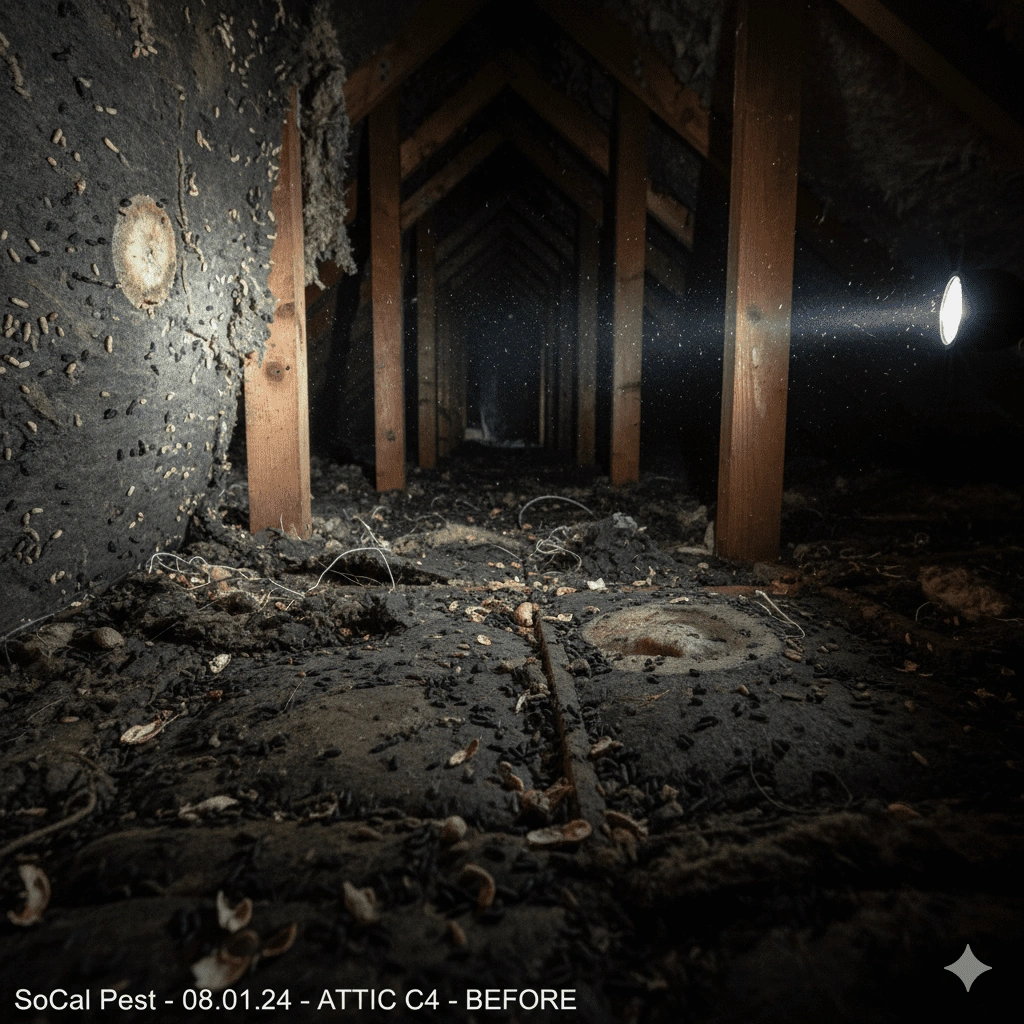
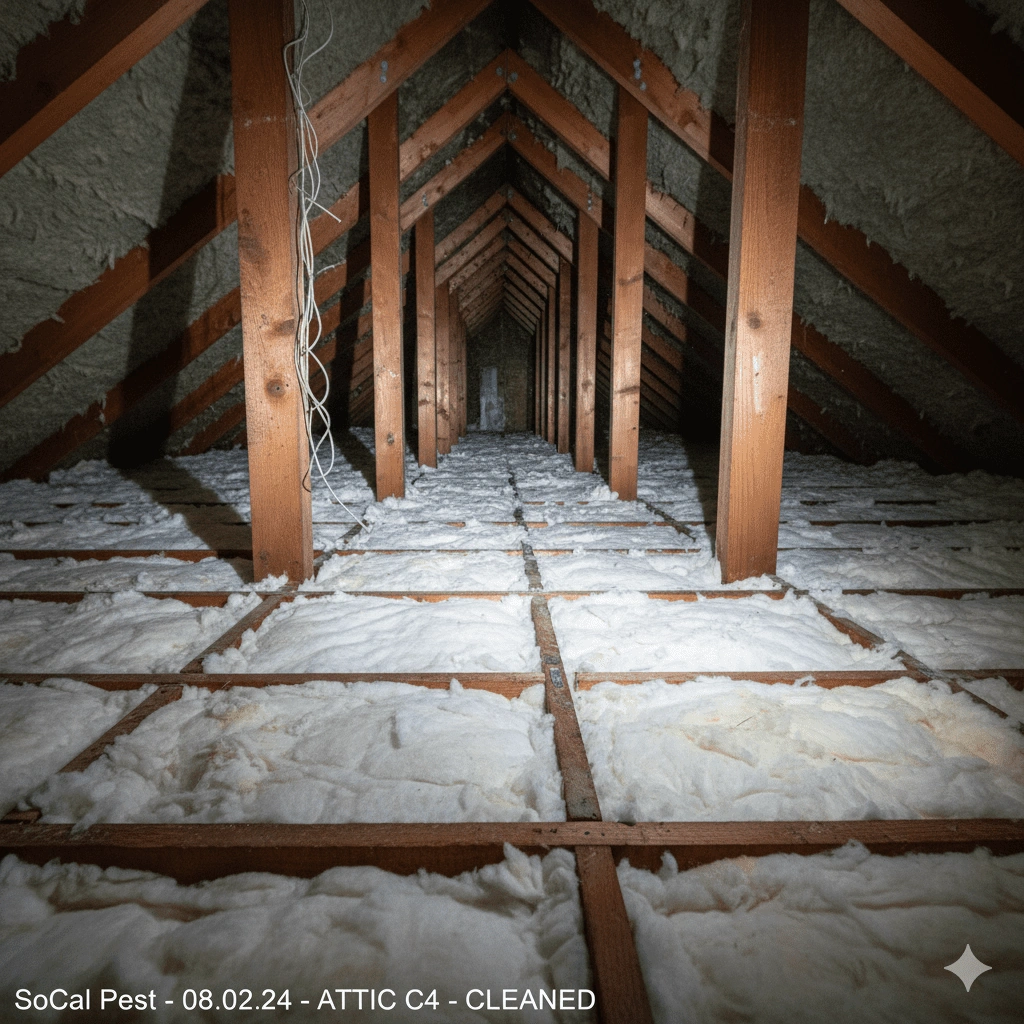
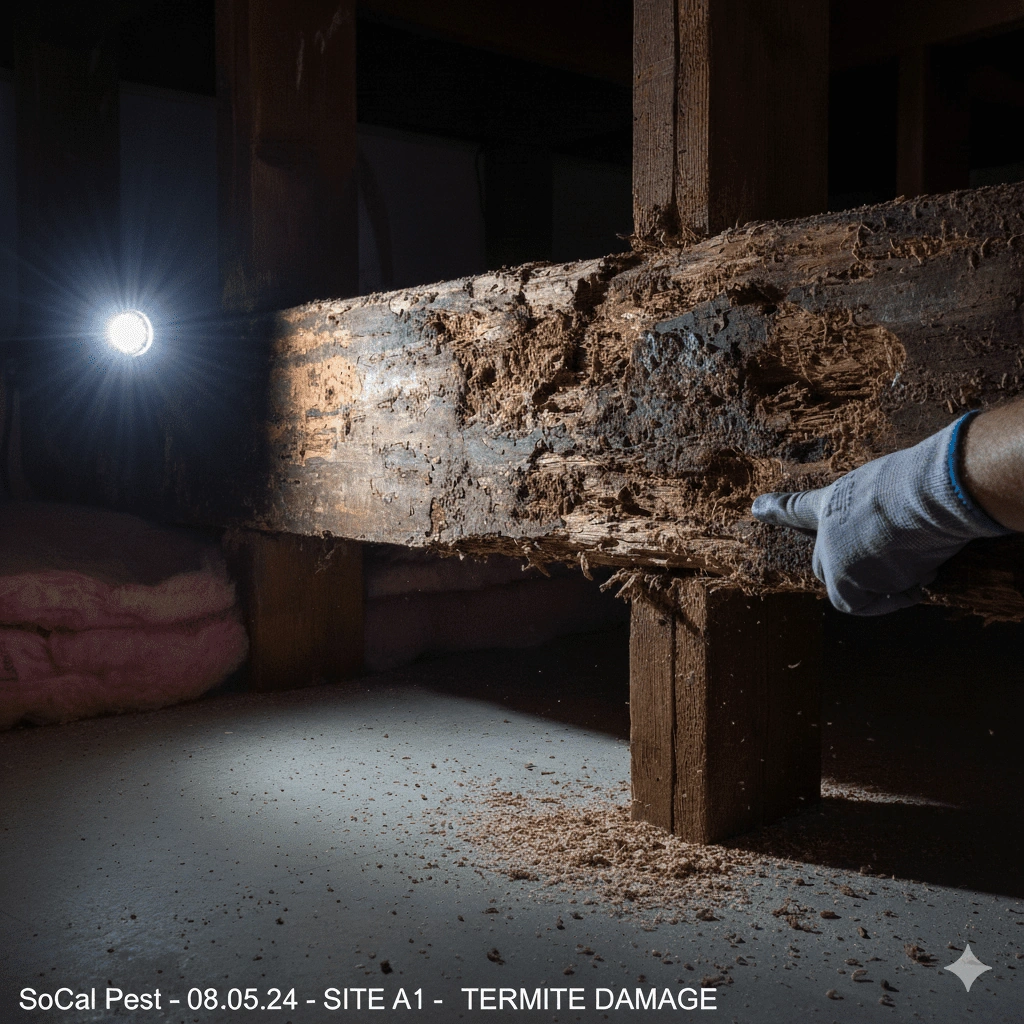
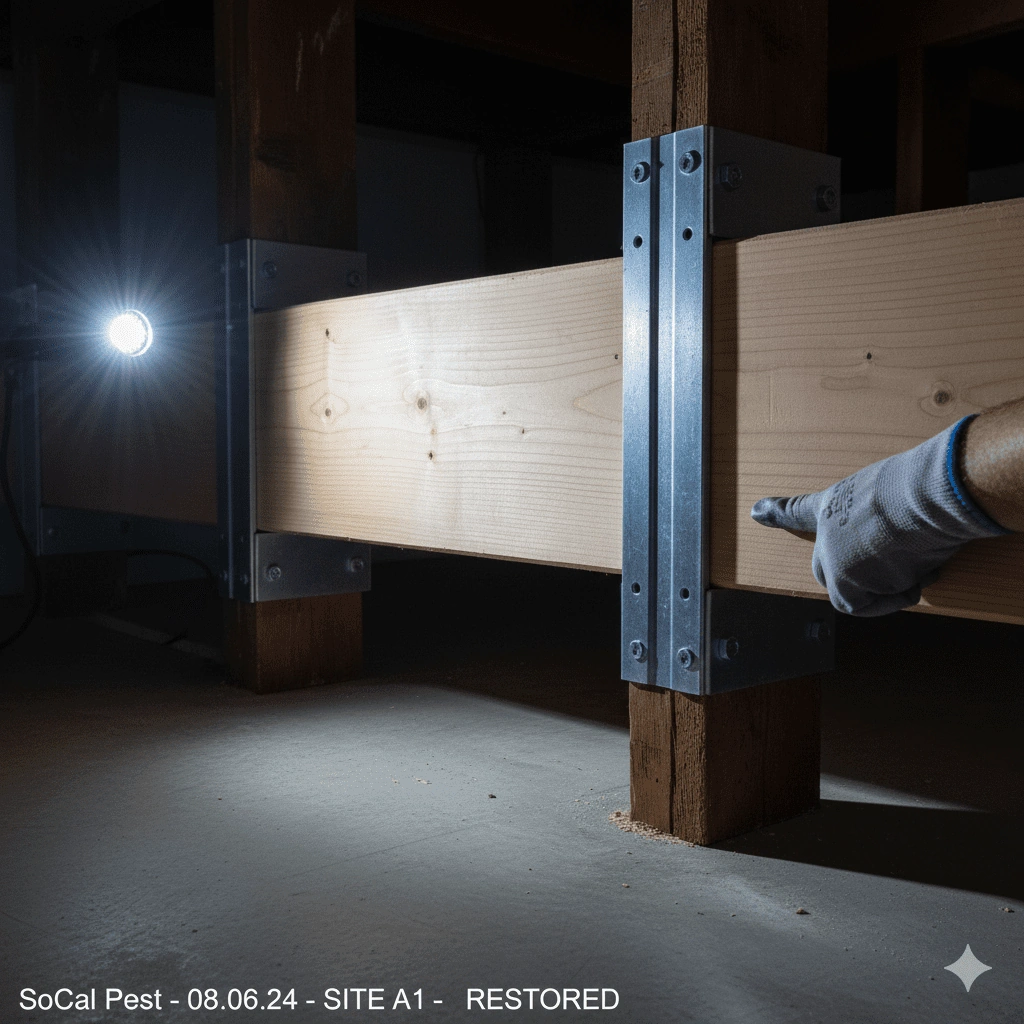
Before & After: Inspection → Prevention → Result
Before/After Set #1 (Termite findings)
Before/After Set #2 (Exclusion / sealing)
What Affects Inspection & Treatment Cost?
Inspection value is clarity. Treatment cost depends on pest type, spread, and the structure. The goal is to avoid paying for the wrong solution. Here’s what actually changes scope and pricing in Orange County homes.
Pest type & lifecycle
Termites, roaches, and bed bugs require different tools and timelines. ID drives the plan.
Spread & access
Localized issues cost less. Wide activity across voids/attic/subareas changes scope.
Structure conditions
Moisture, wood exposure, gaps, and landscaping contact can increase pressure and needed prevention work.
Termite scope examples
Termite work ranges widely because the correct method depends on termite type and spread. Localized treatment can be appropriate in certain drywood scenarios, while broader infestation patterns may require fumigation or a different plan. A real inspection is what prevents wasted spend and repeated calls.
Orange County Areas We Serve
We serve Orange County homeowners (plus LA County and Corona). If you don’t see your city below, call anyway. We’ll tell you yes/no quickly.
Popular Orange County cities
ZIP grid
Need an inspection fast?
Call and tell us what you’re seeing and where. If you can text a photo, even better. We’ll get you answers quickly and recommend the right prevention steps.
Pest Inspection FAQ (Orange County)
If you want to skip reading and just fix it, call 714-236-1200.
How much is a pest inspection in Orange County? +
Do you inspect for termites and other pests in the same visit? +
What are the first signs of termites in Orange County homes? +
Why do ants keep coming back after spraying? +
Do you offer prevention plans after the inspection? +
How long does a typical inspection take? +
Can you tell what pest it is from a photo? +
Do you handle bed bug inspections too? +
What should I do before the inspector arrives? +
Do you serve my part of Orange County? +
Book Your Orange County Inspection
If it might be termites, don’t wait. If it’s ants or roaches, don’t guess. Call and we’ll get you a clear inspection plan and prevention steps that actually stick.
Tip: If you can, text a photo of the pest or evidence. It speeds identification.