
Ant Control in Orange County, CA That Stops Infestations Fast
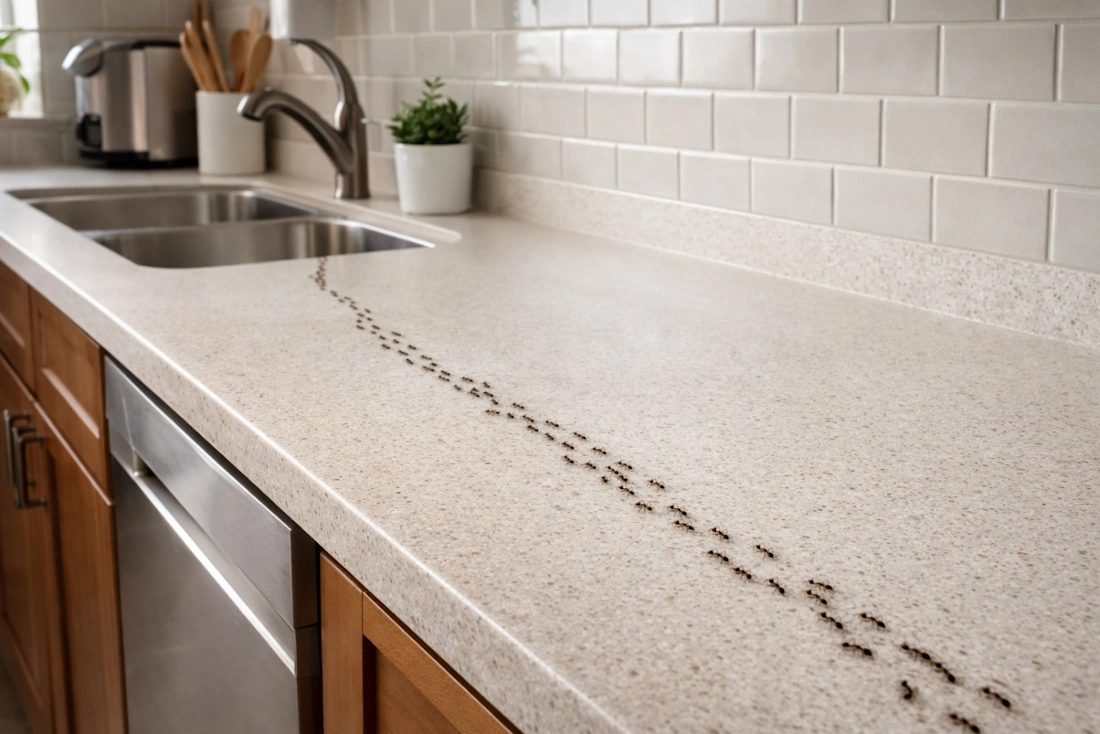
Seeing ant trails in the kitchen or around baseboards is annoying. What’s worse is when they disappear for a day, then come back stronger because the colony is still intact. Orange County’s warm weather, irrigation, and outdoor food access make ant pressure a year-round problem, especially in homes with landscaping that touches the structure. Southern California Exterminators removes active ant activity and builds a prevention plan so you do not keep fighting the same trails every month.
- ✓Species-based plans (because “ants” is not one pest)
- ✓Targeted treatment of trails, entry points, and nesting zones
- ✓Prevention guidance for kitchens, yards, and perimeter access
- ✓Clear expectations and follow-through support

|
Clear Communication • Respectful Crews • Practical Prevention
|
Orange County Homeowners • Rentals • Property Managers
|
Ant Control FAQ
Schedule Ant Control in Orange County
Call 714-236-1200 and tell us what you’re seeing: kitchen trails, patio swarms, bathroom activity, or ants around pet food. We’ll help confirm urgency, explain what to do right now, and schedule the right service.
Why Ant Problems Are So Common in Orange County
Ants are not “dirty house pests” in the way people assume. They are opportunists. In Orange County, ants thrive because conditions stay favorable: mild winters, warm summers, frequent irrigation, and plenty of food sources from outdoor eating to pet bowls in garages. When ants find a reliable path to water or sugar, they recruit more workers and create a trail that looks endless.
What most homeowners miss is this: Killing the visible ants is not the same as stopping the colony. Many common species send out workers to forage, and those workers simply get replaced if the nesting area and access points remain untouched. That’s why quick DIY sprays often “work” for a day, then fail. If you want results that hold up, you need a plan that targets (1) species behavior, (2) trail routes, (3) entry points, and (4) the conditions that keep attracting them.
Signs Your Ant Problem Is More Than “A Few Ants”
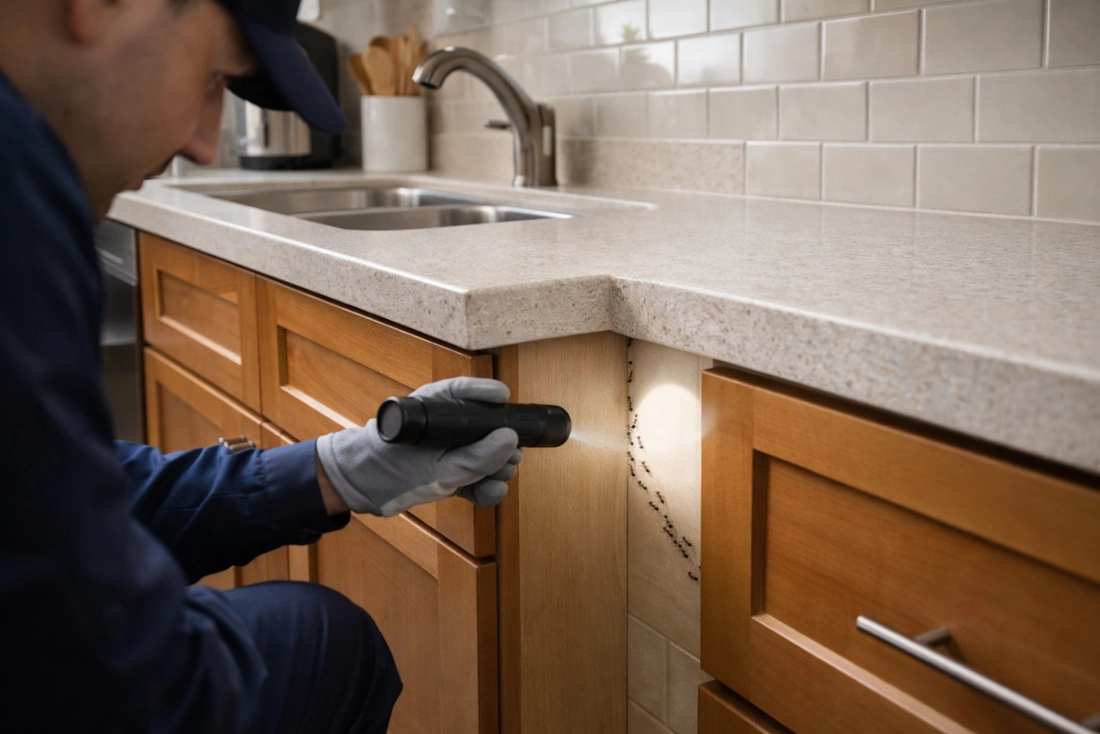
Ant problems rarely stay small. If you see repeated trails in the same area, ants around sinks or tubs, or activity near pet food, you likely have a consistent food or water route. Outdoor swarms around patios, planters, or irrigation lines often indicate nesting nearby. The key is to stop the access point and reduce the conditions that support the trail.
- ✓Trails that return daily, especially mornings or evenings
- ✓Ants in bathrooms or near plumbing (water-seeking behavior)
- ✓Ants entering along windows, door thresholds, or baseboards
- ✓Patio and landscape activity near foundation edges
- ✓Seasonal “sudden swarms” that repeat each year
What Makes an Ant Plan Actually Work
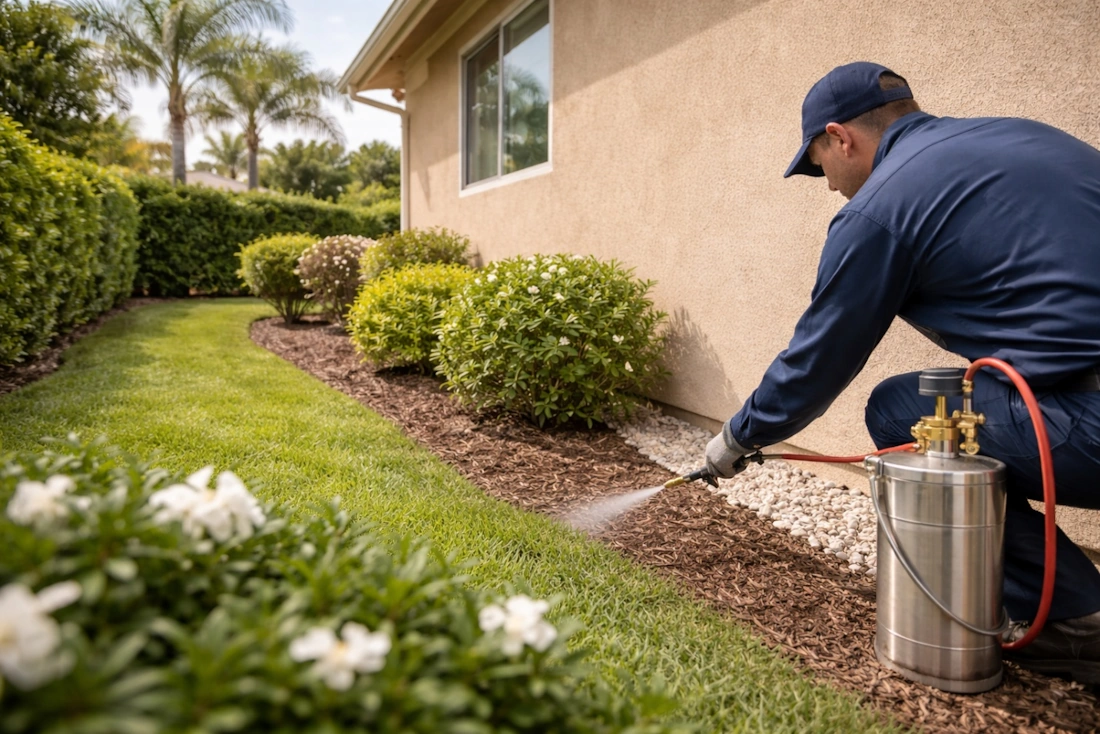
Ant control succeeds when it is built around the colony’s behavior. The plan should identify the species, locate or infer nesting zones, and interrupt their trail routes. Then it should reduce re-entry by addressing moisture, vegetation contact, and entry gaps. The goal is not to “chase ants around the house” with sprays. The goal is to make your home a bad option for the colony.
If you’re comparing providers, ask one question: “How are you preventing re-entry?” If the answer is vague, expect repeat calls.
Ant Control Services for Orange County Homes and Properties
Ant activity looks similar across homes, but the cause is often different. A condo with shared walls can have trail pressure that moves between units. A single-family home with heavy landscaping contact can have perimeter pressure that reintroduces ants daily. A rental property can have changing food storage patterns that trigger recurring outbreaks. We adjust the plan to the property type, the activity zones, and the likely nesting environment.
Ant Inspection and Species ID
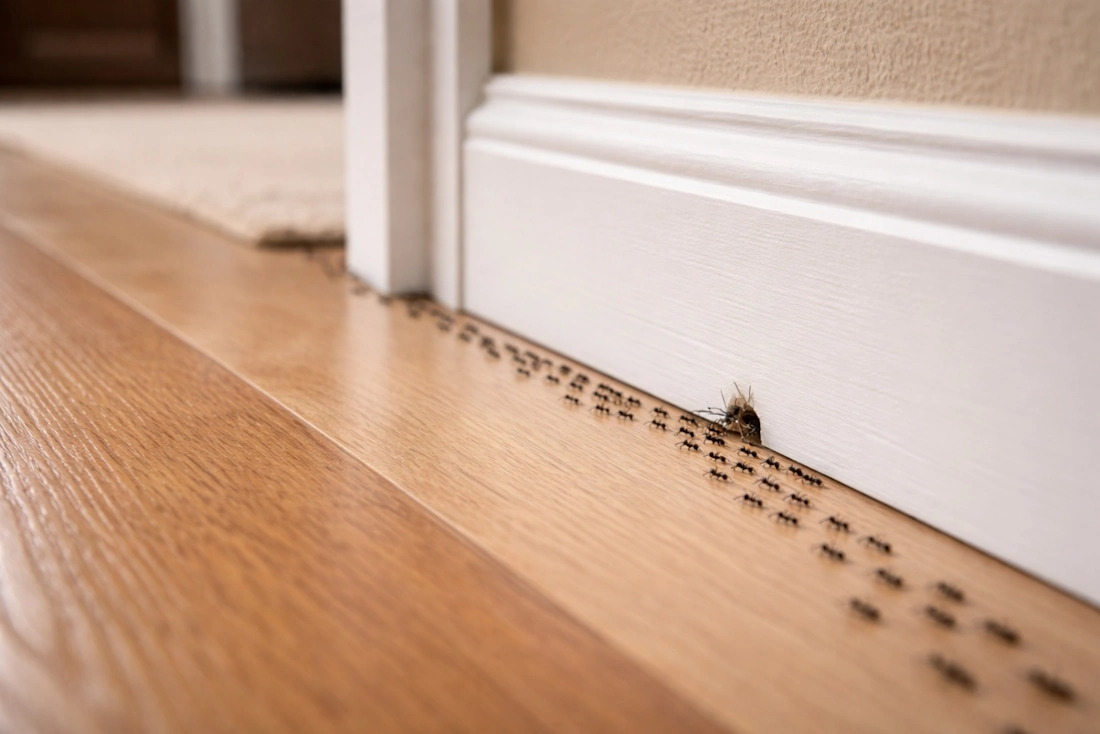
We look for trail routes, entry points, moisture drivers, and nesting zones so treatment is based on facts, not guesses.
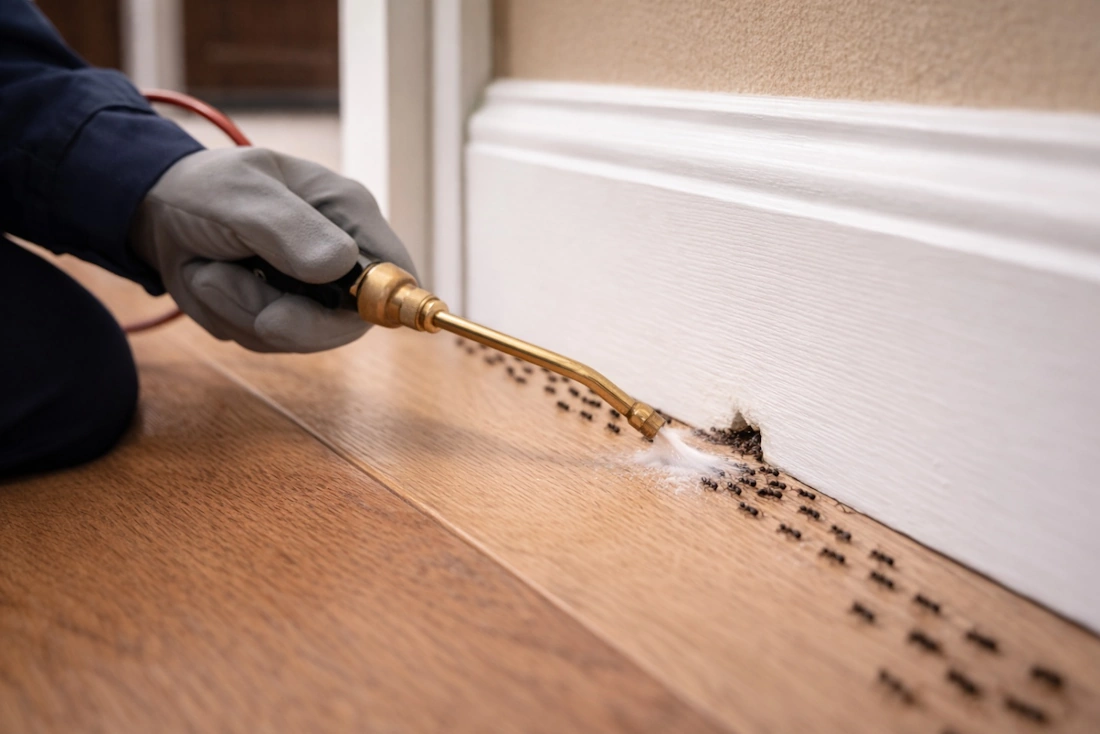
Targeted Treatment
Treatment focuses on active trails, access points, and conditions supporting activity, with clear expectations for reduction.
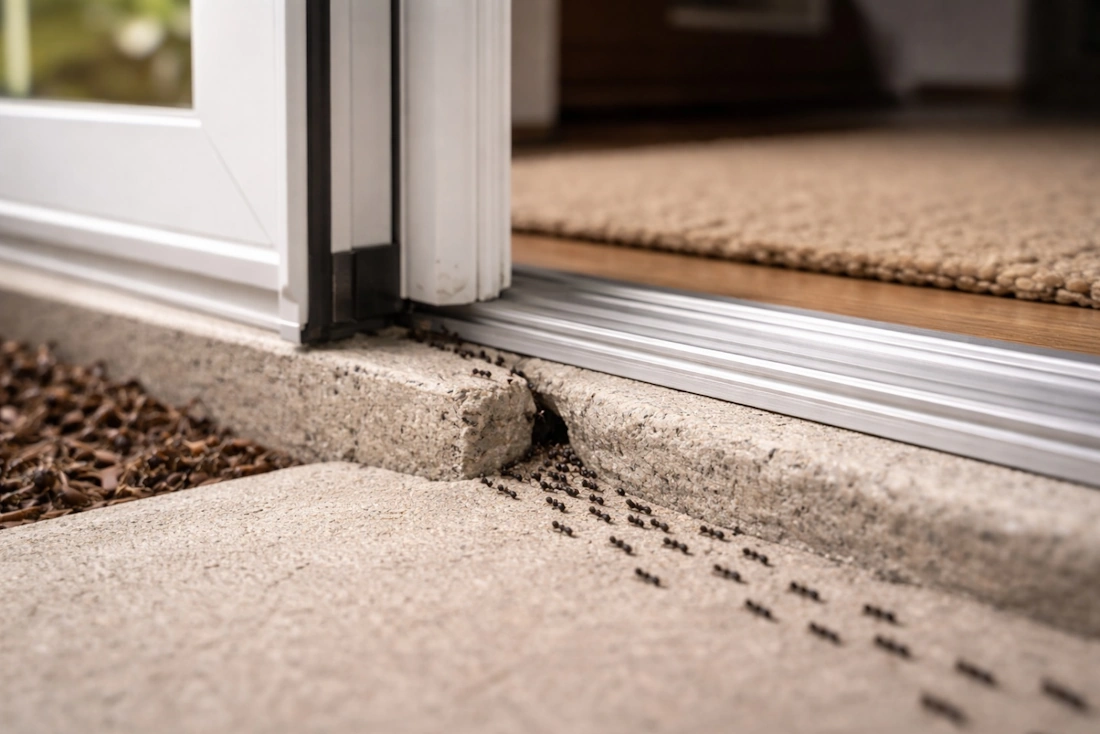
Prevention and Re-Entry Control
We provide guidance to reduce repeat outbreaks: storage, sanitation, moisture fixes, and perimeter improvements.
Related Orange County Pest Services
If you’re comparing issues or bundling prevention, these will help: Rodent Control Orange County, Termite Control Orange County, Pest Inspections & Prevention Orange County.
Common Ant Types in Orange County
“Ants” is not a single pest problem. Different ant species behave differently, nest in different places, and respond to different strategies. That’s why species-based planning matters. Below are some of the most common culprits Orange County homeowners deal with, and what makes each one tricky.
Argentine Ants
Argentine ants are notorious in Southern California. They form large colonies, build extensive trails, and often invade kitchens and bathrooms for water and sugar. If the environment supports them (irrigation, mulch beds, pet food access), they can return repeatedly unless the plan addresses perimeter pressure and entry routes.
- ✓Persistent trails, often returning daily
- ✓Strong interest in sweets and water sources
- ✓Outdoor nesting near moist soil and landscaping
Odorous House Ants
These ants commonly invade homes for food, especially sweets. They can nest in wall voids or outdoors near foundations. People often report “waves” of activity after weather changes or when food is left accessible. Control works best when trails are interrupted and access points are corrected.
- ✓Kitchen and pantry activity is common
- ✓May nest indoors or close to the structure
- ✓Often triggered by moisture and easy sugar access
Carpenter Ants
Carpenter ants are less common than Argentine ants in many OC neighborhoods, but they matter because they can indicate moisture-damaged wood. They do not “eat wood” like termites, but they can excavate damp wood to create nesting galleries. If you see large ants and frass-like debris near wood, the plan may include evaluating moisture conditions.
- ✓Associated with moisture and compromised wood
- ✓Larger ants, often noticed at night
- ✓Requires prevention that addresses moisture drivers
Fire Ants and Stinging Species
Fire ants and other stinging ants are primarily an outdoor risk, especially in lawns, parks, and landscaped common areas. They can create painful stings and are a concern for families, pets, and multi-unit properties. Effective control focuses on the mound zones and prevention strategies that reduce new colony establishment.
- ✓Outdoor activity and mound zones
- ✓Stings can be a safety issue
- ✓Requires yard-specific prevention planning
Not Sure Which Ant You Have?
That’s normal. Most homeowners just know “ants.” Call 714-236-1200 and describe where you see them, what time of day activity is strongest, and whether they are in kitchens, bathrooms, or outdoors. Those details help narrow down the likely species and the right next steps.
What to Expect From Our Orange County Ant Control Process
The goal is simple: reduce active ant traffic quickly and reduce the odds of repeat trails. We do that by mapping activity, treating key zones, and giving you prevention steps that actually make sense for your home and lifestyle. No “mystery visit.” No vague advice. Clear steps.
Inspect and Identify
We evaluate where ants are traveling, where they are entering, and what conditions are supporting them (food, moisture, landscaping contact, indoor access).
Target the Right Zones
Treatment focuses on trails, access points, and nesting environments. The plan is adjusted to the ant type and whether pressure is indoor, outdoor, or both.
Prevention Plan That Holds Up
You get practical prevention guidance: storage, sanitation, moisture corrections, and perimeter improvements that reduce re-entry and future outbreaks.
What You Can Do Today (Before Service)
If ants are active right now, you can reduce intensity before we arrive. These steps do not replace professional control, but they help minimize trail reinforcement and food access.
- ✓Store sugar, snacks, and pet food in sealed containers
- ✓Wipe counters and rinse recyclables (sticky residue attracts ants)
- ✓Fix dripping faucets and reduce standing water around sinks
- ✓Note where trails enter the room and take a quick photo
What Not to Do
Many DIY choices make ant control harder. Spraying random chemicals on trails can scatter ants and cause them to reroute into wall voids. Overcleaning without addressing access can also push the colony to choose a new entry route you don’t see until it becomes worse.
- ✓Do not rely on basic spray “kills” as a long-term fix
- ✓Avoid leaving crumbs near baseboards and trash areas
- ✓Do not ignore outdoor pressure near planters and irrigation
Proof-First Ant Control (Not Just Claims)
Anyone can say “we do ant control.” What matters is whether the plan matches reality and whether prevention is built into the service. We focus on clear communication, documented findings, and realistic prevention steps that reduce repeat activity. This is especially important for Orange County homes where landscaping contact and irrigation keep pressure high.
Real Work / Real Findings
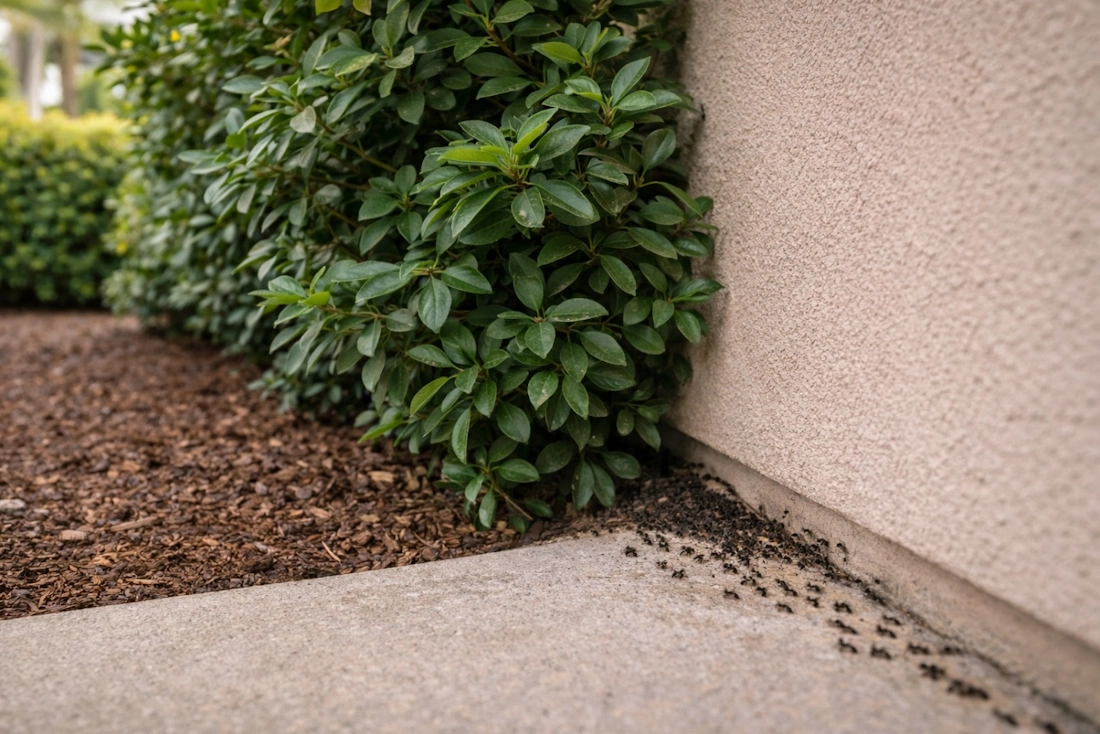
Trail mapped to entry route
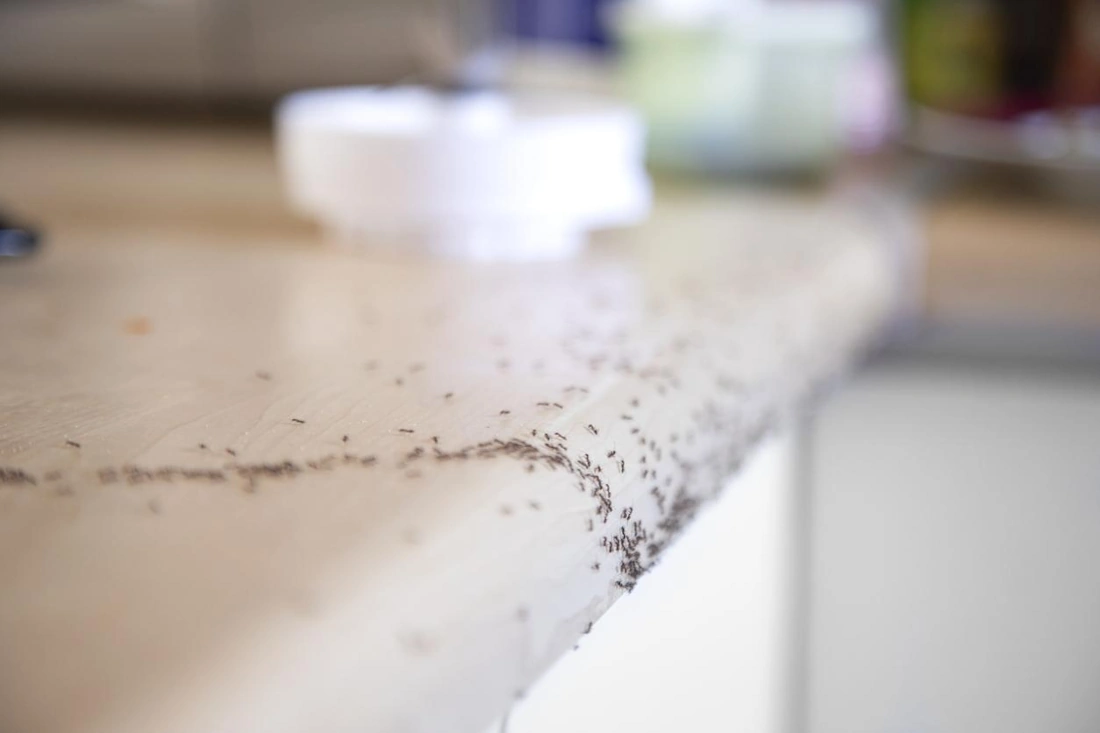
Moisture driver identified
Access point targeted
Landscaping contact reduced
Trust Corridor for Orange County Ant Service
Ant control should feel controlled and professional, not like a guessing game. Here’s what we prioritize so results hold up.
- ✓Clear species-based explanation (what you have and why it matters)
- ✓Identified trail routes and likely entry points
- ✓Prevention guidance that fits your property (not generic advice)
- ✓Support for rentals, multi-unit buildings, and property managers
Rentals
Property Managers
HOA / Condos
Authority References
For official ant biology and management guidance: UC IPM, Ant Pest Notes, EPA Safe Pest Control, CDC Hygiene Basics.
Orange County Ant Pressure: Coastal vs Inland and Seasonal Patterns
Orange County ant activity is often year-round, but the intensity and indoor invasion patterns change based on neighborhood conditions. Coastal areas often provide steady shelter and moisture from landscaping density and moderate temperatures. Inland areas can see spikes when heat pushes ants to seek cooler shelter and reliable water sources indoors. Either way, irrigation, mulch beds, and food access create dependable pressure.
Coastal Orange County
Coastal neighborhoods often see consistent ant pressure because landscaping stays lush, moisture remains available, and outdoor dining or trash routines create steady food opportunities. Trails commonly form along fence lines, patio edges, and foundation seams. Indoor activity often spikes when ants find kitchen sugar, pet food, or bathroom water sources.
- ✓Steady moisture and shade support nesting zones
- ✓Patios and planters create hidden trail highways
- ✓Year-round pressure in protected landscaping corridors
Inland Orange County
Inland neighborhoods can see stronger seasonal spikes. Heat increases water demand, and ants follow moisture into homes through plumbing lines, wall voids, and baseboard gaps. Irrigation near foundations can also create underground pathways. Prevention often requires moisture reduction and perimeter access control.
- ✓Heat-driven indoor activity is common
- ✓Irrigation and fruit trees increase food access
- ✓Garage storage and pet food trigger recurring trails
OC Pests by Season (Ant Tie-In)
Ant pressure often overlaps with other seasonal pests. When outdoor activity increases, ants exploit food opportunities. When temperatures spike, indoor moisture sources become more attractive. If your home also deals with other issues, a prevention plan that reduces crumbs, moisture, and perimeter access tends to improve multiple pest categories at once.
Why Cheap Ant Control Fails in Orange County
Cheap ant control typically focuses on the symptom: visible ants. That means quick sprays, generic treatments, and little prevention planning. The result is predictable. Trails disappear temporarily, then reappear because the colony and entry routes remain intact. In Orange County, environmental pressure is constant, so new trails form quickly when access stays open.
Common Failure Modes
- ✓No species identification, so the wrong strategy gets used
- ✓Sprays that scatter ants into wall voids and new routes
- ✓No prevention guidance for moisture, storage, or landscaping contact
- ✓No documentation or clear expectations, so the plan repeats forever
What a Smart Plan Looks Like
A smart plan identifies the ant type, maps where trails enter, treats the right zones, then reduces re-entry with practical steps. It accounts for the property’s reality: kitchens, pet areas, irrigation lines, patio planters, and storage habits. The goal is not temporary relief. The goal is to make your home and perimeter unattractive to the colony.
If you want a plan that holds up, start with one call: 714-236-1200.
Orange County Rodent Control Service Areas
We serve communities across Orange County. If you are near the county line or in a nearby area, call and we will confirm coverage.
Orange County Zip Grid (Sample Coverage)
Click any ZIP to call. If you are nearby, we likely cover you.
Call (714) 236-1200 to confirm your neighborhood and schedule.
Ant Control FAQ for Orange County
Straight answers that help you make a decision. If you want the fastest route to relief, call 714-236-1200.
Why do ants keep coming back after I spray them?+
Sprays often kill the ants you see but don’t affect the colony and trail system. In Orange County, outdoor nesting and perimeter pressure can reintroduce ants quickly. A lasting fix requires species-based control plus addressing entry points and the food or moisture sources that keep trails forming.
How do you know what type of ants I have?+
Species can be identified by size, color, trail behavior, and where activity concentrates (kitchens, bathrooms, patios, planters). We also look at nesting environments and the time of day activity spikes. Species matters because different ants respond better to different strategies and prevention steps.
Are ants a health risk in the kitchen?+
Ants can contaminate surfaces and food areas because they travel through hidden spaces and outdoor environments. If trails are active near counters, pantries, or pet bowls, the safest approach is to reduce food access immediately and schedule professional control to stop ongoing traffic and prevent repeat invasion.
Do ants mean I have termites or structural damage?+
Not always. Most ant problems are food and moisture related. However, carpenter ants can be associated with moisture-damaged wood. If you see large ants or frass-like debris near wood, it may be worth evaluating for moisture drivers. Termites are a different pest with different signs and solutions.
Why are ants worse after rain or heat waves?+
Weather shifts can change where ants forage. Rain can flood outdoor nesting zones and push activity toward structures. Heat increases water demand and can drive ants toward plumbing and indoor moisture. In Orange County, irrigation and landscaping can keep pressure steady even when weather changes.
Can I prevent ants long-term?+
Yes. Long-term prevention usually means reducing food access, tightening storage habits, addressing moisture sources, trimming landscaping contact, and improving perimeter access control. The exact plan depends on the species and your property layout. Prevention works best when it’s practical and consistently followed.
Do you treat outdoor ant activity too?+
Yes. Outdoor activity around patios, planters, fences, and irrigation lines is often a major driver of indoor trails. Treating only indoors can lead to repeat pressure. A complete plan considers both indoor and outdoor conditions and focuses on reducing the colony’s ability to establish stable access routes.
Are stinging ants like fire ants common in Orange County?+
Stinging ants can be present in some areas and are mainly an outdoor safety issue for families and pets. If you suspect stinging ants, avoid disturbing mounds. Proper control focuses on the outdoor nesting zones and prevention steps that reduce new colony establishment in lawns and landscaped areas.
How quickly will I see results after service?+
Many ant situations show noticeable reduction quickly, but the timeline depends on the species, colony size, and whether outdoor pressure is heavy. Some colonies require time for trail disruption and access correction. We set expectations clearly so you know what “normal” looks like during reduction.
Should I clean ant trails with bleach or strong chemicals?+
Cleaning trails can help reduce scent cues, but harsh chemicals are not required and can be unsafe if misused. A safe approach is to clean surfaces with standard household cleaners and remove food residue. The core solution is stopping entry and colony pressure, not just wiping trails repeatedly.
Do you handle rentals, HOAs, and multi-unit buildings?+
Yes. Multi-unit properties can have shared-wall and shared-perimeter dynamics, which means prevention planning matters even more. We help property managers coordinate access and focus on consistent prevention steps that reduce recurring outbreaks, especially in kitchens, trash areas, and common outdoor corridors.
How do I schedule ant control in Orange County?+
Call 714-236-1200 and describe where you see ants and when activity is strongest. We’ll help confirm urgency, explain what to do right now, and schedule service. The right plan depends on species and access routes, which is why we keep pricing off the page and focus on correct recommendations.
Ready to Stop Ant Trails for Good?
Get ant control that targets the colony and reduces re-entry. Call now and we’ll help you pick the right next step for your home or property.