
Termite Control in Orange County, CA That Protects Your Home and Your Equity
Termites do not wait for convenient timing. If you are seeing mud tubes, winged swarmers, damaged wood, or “mystery” pinholes, you need a clear plan fast. Southern California Exterminators provides Orange County termite inspections and treatment options designed for real homes and real conditions, including coastal pressure, inland heat cycles, and year-round termite activity.
- ✓Honest inspection results + clear next steps (no scare tactics)
- ✓Treatment plans matched to your property type and termite species
- ✓Local Orange County scheduling with fast response and real support
- ✓Documentation you can keep for records, resale, or property management
|
Orange County Homeowners • Landlords • Property Managers
|
Fast Scheduling • Clear Communication • Respectful Crews
|
Questions? See Termite FAQ
Book a Termite Inspection in Orange County
Call us first. We will help you identify urgency, recommend next steps, and schedule the right type of inspection for your home, condo, or multi-unit property.
Orange County Termite Control Built for Real Local Conditions
Orange County is a high-pressure market for termite activity. Homes near the coast deal with steady moisture and hidden wood-to-soil conditions. Inland neighborhoods see warmer cycles that can accelerate termite foraging, especially when landscaping and irrigation keep soil consistently damp. Add older construction, additions, slab transitions, and wood features, and it becomes easy for termites to stay unnoticed until damage is expensive.
Southern California Exterminators approaches termite control like a practical building problem: identify the species, map the risk points, confirm the scope, and choose a treatment plan that protects the structure. The result is not a generic spray. It is a documented plan built around your property, the termite pressure in your area, and how you actually use the space.
What We Look for During an Inspection
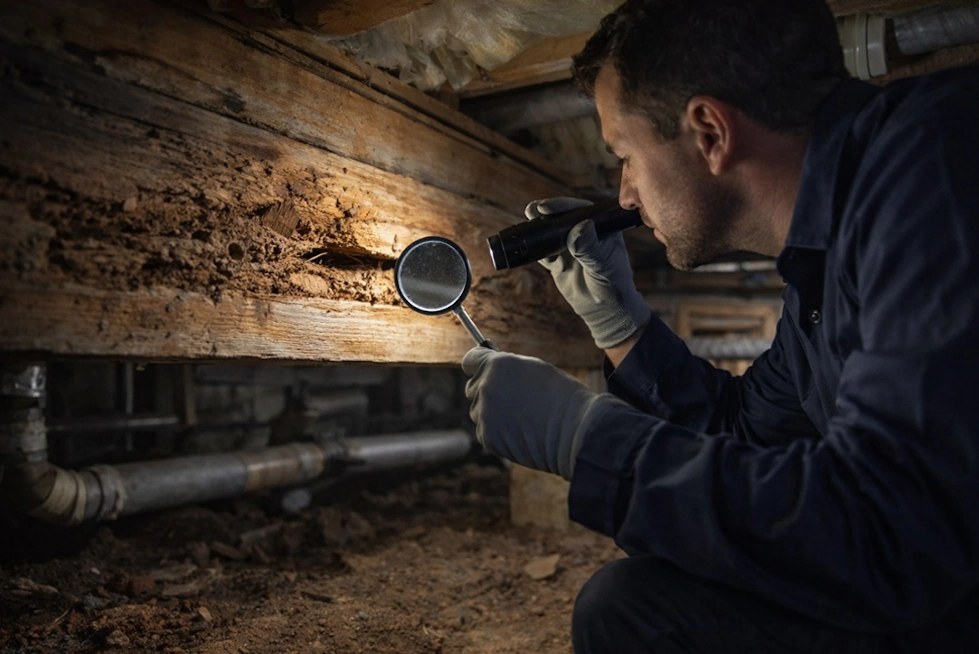
A good termite inspection is more than “yes or no.” We check common entry points and high-risk zones, then connect the dots: moisture sources, soil contact, wood features, attic and sub-area conditions, and any signs of previous activity. If you are selling or managing a property, we explain findings in plain language so you can make decisions quickly.
- ✓Mud tubes, swarmers, frass, blistered paint, hollow wood
- ✓Garage edges, slab joints, planters, patios, and fencing contact
- ✓Attic and sub-area indicators when accessible
- ✓Risk drivers: irrigation, grading, drainage, and hidden moisture
Treatment Recommendations That Match the Termite Type
Termite control is not one-method-fits-all. Subterranean termites behave differently than drywood termites, and each requires a plan aligned to how they move, nest, and damage wood. We explain the “why” behind each option so you are not forced into a mystery service.
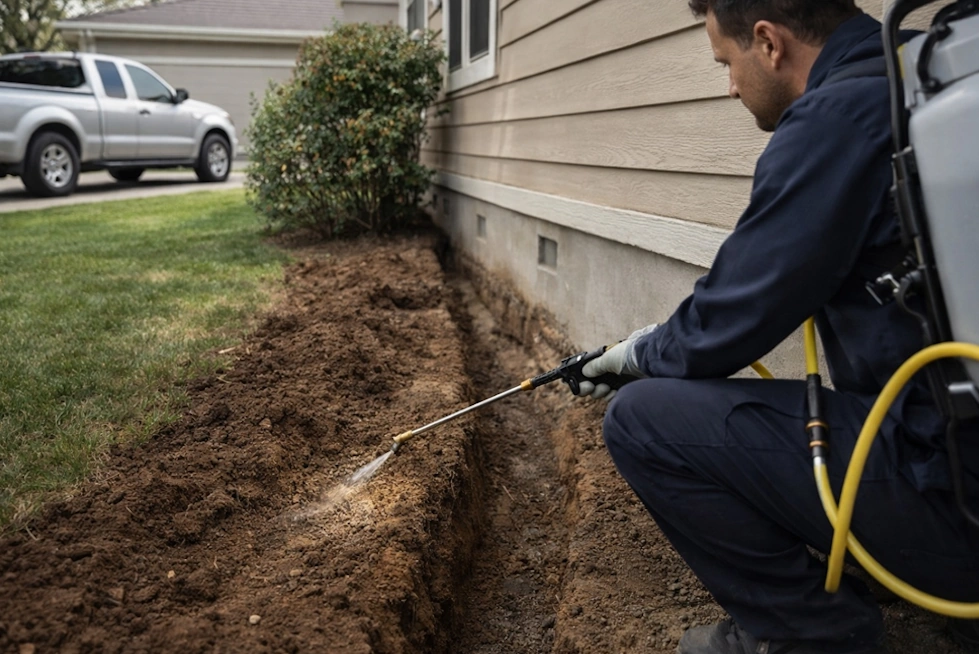
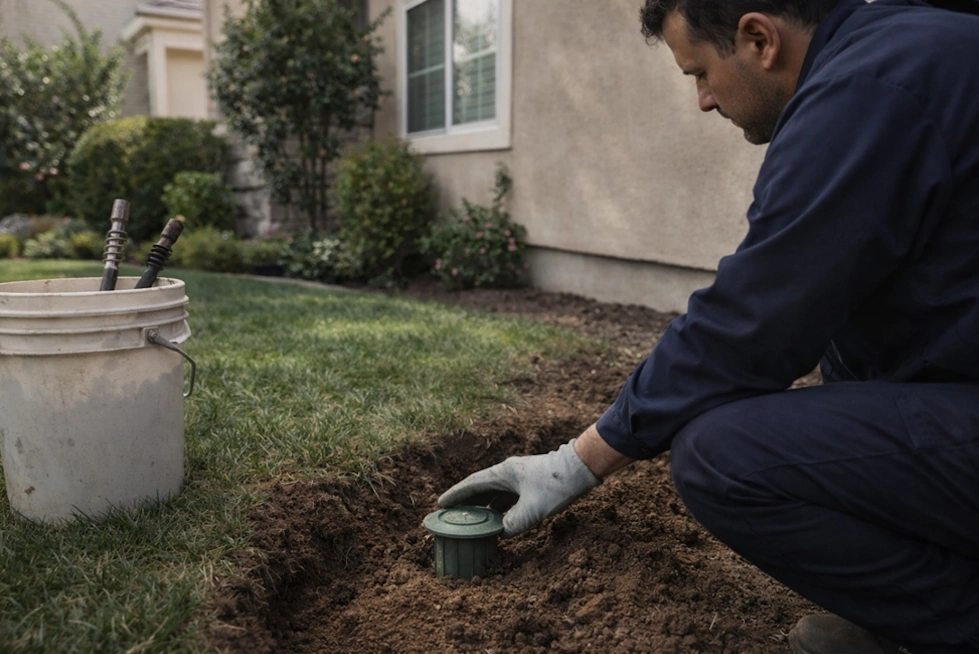
When treatment is recommended, we outline what gets treated, where, and what you can expect after. If you are not ready for treatment today, we can help you understand the monitoring path and the risk level of waiting.
Clear Documentation
Respectful Crews
Real Follow-Through
Termite Services for Orange County Homeowners and Property Managers
Whether you own a single-family home, manage condos, or oversee multi-unit rentals, termite issues create the same core problem: hidden damage risk plus urgency. We offer termite inspection and treatment paths that support real decision-making, including documentation and communication that makes sense for tenants, owners, and HOA boards.
Termite Inspections
We inspect the property, identify signs and risk drivers, and explain findings clearly. Ideal for suspected activity, routine checks, and pre-sale situations.
Drywood Termite Control
Drywood termites can live inside wood without soil contact. We help confirm activity, scope the affected areas, and recommend treatment aligned to your structure.
Subterranean Termite Treatment
Subterranean termites travel from soil into structure. We focus on entry points, environmental drivers, and treatment strategies that protect the structure long-term.
Internal Resources (For Real Humans and Search Engines)
If you are comparing pest issues across Orange County, these related pages can help you choose the right next step: Orange County Pest Control, Ant Control Orange County, Rodent Control Orange County.
What to Expect: Our Termite Inspection and Treatment Process
You deserve a process that is simple, transparent, and built around the reality that termite activity is often hidden. We keep communication clear and move fast when the situation is urgent. If you are dealing with a real estate timeline or a tenant situation, we can coordinate around access and documentation.
Inspect + Identify
We check common entry points and risk zones, confirm likely termite type, and document what we find. You get a clear explanation of urgency and next steps.
Scope the Risk
We connect environmental drivers (moisture, soil contact, irrigation, wood features) to the likely path of activity so recommendations are realistic and targeted.
Treat + Protect
If treatment is recommended, we outline what gets treated, where, and what to expect afterward. Our goal is structural protection, not confusion.
What You Can Do Today (Before We Arrive)
If you suspect termites, do not panic-demo your baseboards. Instead, take photos of visible signs, note where you saw swarmers or tubes, and avoid spraying random products that can disrupt evidence. If you have attic or sub-area access, keep it clear. And if you recently had landscaping or irrigation changes, mention it. These details speed up accurate recommendations.
Proof-First Termite Control: Clear Records, Real Recommendations
Termite control is high-stakes because the damage is often invisible until it is expensive. That is why we build a trust corridor into the page: practical clarity, documented findings, and a plan you can understand. You should never feel pressured into a treatment you do not understand.
The “Real Work / Real Results” Corridor (Placeholders for Now)
Below are empty placeholders for future proof photos. When you swap in real images later, keep the same sizes to preserve spacing and mobile speed.
Caption: Documented termite sign at entry point (replace later)
Caption: Inspection documentation for owner records (replace later)
Caption: Treatment area and protection planning (replace later)
Caption: Risk drivers: soil contact, moisture, irrigation (replace later)
Trust Stack (Beyond Reviews)
Strong termite control is built on credibility and clarity. This is the spine that helps homeowners and property managers feel safe moving forward.
- ✓Clear explanation of what was found and why it matters
- ✓Documentation that supports records, resale, and property management
- ✓Treatment options explained in plain English (no mystery services)
- ✓Local Orange County scheduling + responsive support
HOA / Condos
Property Managers
Multi-Unit Rentals
Authority References (Outbound)
For homeowners who want official guidance, these are solid sources: UC IPM: Termites, CA Structural Pest Control Board, EPA: Safe Pest Control.
Orange County Termite Pressure: Coastal vs Inland and Why It Matters
Termites in Southern California are not a “summer only” problem. Orange County can experience year-round termite activity, with seasonal spikes that vary by neighborhood. Understanding the pattern helps you make better decisions about urgency and prevention.
Coastal Orange County
Coastal areas often maintain steady moisture and moderate temperatures. That combination can support ongoing termite foraging. Homes with dense landscaping, planters against walls, or shaded moisture pockets are especially vulnerable. Coastal properties also tend to have wood features and exterior details that become hidden entry routes.
- ✓Moisture pockets around planters and irrigation
- ✓Wood-to-soil contact and hidden exterior entry points
- ✓Year-round pressure and “quiet” activity over time
Inland Orange County
Inland neighborhoods see warmer cycles that can accelerate termite foraging and colony activity, especially when irrigation keeps soil damp. Seasonal heat, slab transitions, and older construction create a mix of conditions where activity can flare quickly and stay hidden.
- ✓Heat cycles that accelerate activity
- ✓Slab edges, garages, and patio transitions
- ✓Irrigation-driven moisture that creates hidden risk
OC Pests by Season (Quick Reality Check)
Orange County pest pressure shifts across the year, and termites often overlap with other seasonal spikes. Spring can bring swarms and ant pressure, summer amplifies dry conditions and irrigation reliance, and fall/winter still allows termite activity in protected moisture zones. If you see repeated ant trails, moisture issues, or wood damage patterns, it is smart to get an inspection rather than guessing.
Why Cheap Termite Control Fails (And Costs More Later)
Termites are a structure problem, not a coupon problem. The cheapest option often fails for one reason: it treats symptoms without understanding the species, entry route, and environmental drivers. That leaves the colony active, the damage continuing, and the homeowner paying twice.
Common Failure Modes
- ✓Generic treatment with no species identification
- ✓No attention to moisture, grading, irrigation, or wood contact
- ✓No documentation, no clarity, and no follow-through
- ✓Missed access points: slab edges, garage transitions, planters
What a Smart Plan Looks Like
A smart termite plan starts with clarity: what type, what scope, what risk drivers, and what outcome is expected. Then the treatment path matches the property. You get practical steps you can take, documentation you can keep, and a plan that protects the home over time.
If you are comparing providers, ask one question: “Will you explain what you found and why your plan fits my home?” If the answer is vague, that is your warning sign.
Orange County Rodent Control Service Areas
We serve communities across Orange County. If you are near the county line or in a nearby area, call and we will confirm coverage.
Orange County Zip Grid (Sample Coverage)
Click any ZIP to call. If you are nearby, we likely cover you.
Call (714) 236-1200 to confirm your neighborhood and schedule.
Termite Control FAQ for Orange County (Quick, Direct Answers)
These answers are designed to be clear for homeowners and extractable by AI search. If you want help choosing next steps, call (714) 236-1200.
How do I know if I have termites?+
Common signs include mud tubes on walls or foundations, winged swarmers near windows, piles of frass (wood pellets), hollow-sounding wood, and bubbling paint. Many infestations are hidden, so a professional inspection is the safest way to confirm activity and scope. If you see any sign, schedule an inspection quickly.
Are termites common in Orange County?+
Yes. Orange County supports year-round termite pressure, with activity influenced by moisture, landscaping, irrigation, and construction type. Coastal areas can sustain steady foraging due to moderate temperatures, while inland zones can see faster activity during warm cycles. Local inspections help identify risk drivers specific to your neighborhood and property.
What’s the difference between drywood and subterranean termites?+
Drywood termites live inside wood and do not require soil contact, so activity can be isolated in framing, fascia, or attic wood. Subterranean termites live in soil and travel into structures, often using mud tubes and hidden entry points. Because their behavior differs, treatment strategies must match the termite type and the building’s risk zones.
How fast can termites cause damage?+
Damage speed depends on species, colony size, moisture, and how long the activity has been present. Termites can create meaningful structural damage over months to years, but homeowners typically discover them late because damage is hidden. The most expensive infestations are the ones that quietly continue. Early inspection reduces cost and risk.
Do I need treatment right away if I see swarmers?+
Swarmers indicate reproductive termites and can be a sign of an established colony nearby or inside the structure. It does not always mean active structural infestation, but it is a strong reason to inspect promptly. A professional inspection identifies whether activity is inside, where it is concentrated, and what next steps make sense.
Is termite treatment safe for pets and families?+
Treatments can be performed safely when applied correctly and paired with clear preparation instructions. The right method depends on the termite type, location, and structure conditions. We explain what gets treated, where, and what to do before and after service. If you have pets, children, or sensitivities, tell us so we can plan appropriately.
Why do “cheap” termite treatments fail?+
Cheap treatments often skip species identification, ignore moisture and entry drivers, and provide vague or incomplete coverage. That can leave the colony active and damage continuing, which means you pay again later. A smart plan documents findings, matches the method to the termite type, and addresses the property conditions that make termites likely to return.
What should I do before a termite inspection?+
Take photos of visible signs, note where you saw swarmers or tubes, and avoid spraying random products that can disrupt evidence. Clear access to attics, garages, and crawl areas when possible. If you recently changed landscaping or irrigation, mention it. These details help the inspection move faster and improve recommendation accuracy.
Can termites come back after treatment?+
Termites can return if conditions remain favorable, such as chronic moisture, soil contact, or hidden entry routes. That is why a good plan includes prevention guidance and risk reduction, not just a one-time application. After service, we recommend practical steps to reduce re-entry risk and protect the structure over time.
Do you serve my city in Orange County?+
We serve communities across Orange County, including Anaheim, Santa Ana, Irvine, Huntington Beach, Newport Beach, Costa Mesa, Fullerton, Orange, and many surrounding neighborhoods. If you are near the county line or in a nearby area, call and we will confirm. The fastest way to confirm coverage is to call (714) 236-1200.
How do I schedule termite control service?+
Call (714) 236-1200 to schedule an inspection or discuss symptoms you’re seeing. If you prefer calls/text, use (714) 758-7778. We’ll help confirm urgency, recommend the right inspection path, and set a time that works for your household or property access needs.
Need Termite Help in Orange County?
Get a clear inspection and a practical plan. No guessing. No scare tactics. Just the next right step for your home or property.